
8/12 Roof Pitch
A bold, traditional steep-slope pitch popular on Colonial, Cape Cod, and French Country homes. Here is everything you need to know – the exact angle, rafter lengths for every building width, attic space calculations, material options, framing specs, and how it compares to 7/12 and 9/12.
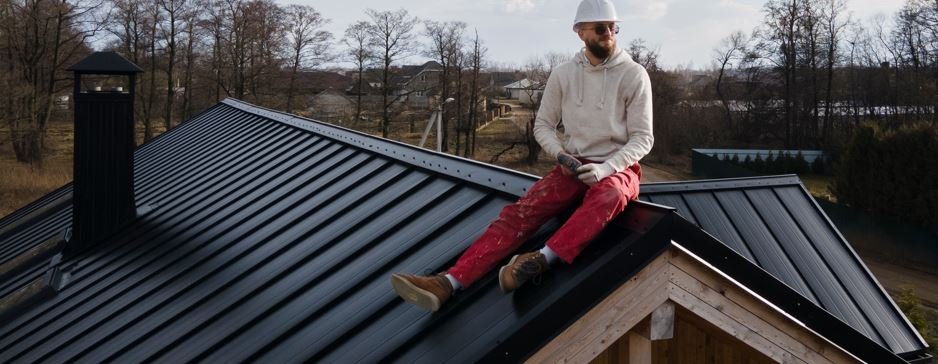
What Is an 8/12 Roof Pitch?
An 8/12 roof pitch means the roof surface rises 8 inches vertically for every 12 inches of horizontal distance. The first number is the rise; the second is always 12, representing one foot of horizontal run. You will also see it written as 8:12, 8-in-12, or simply “8 over 12.” All four notations describe the same slope.
In degrees, 8/12 equals 33.69 degrees – calculated as arctan(8/12) x (180/pi). This is a full notch steeper than the ubiquitous 6/12 pitch (26.57 degrees) and crosses the threshold most roofing crews use to separate low-slope from steep-slope work. That extra angle buys real benefits – faster water and snow shedding, dramatically more attic headroom, and a bolder street presence – at the cost of more material, more labor, and mandatory fall protection equipment on the job site.
Why Builders Choose 8/12 Over the More Common 6/12
An 8/12 pitch is not the default choice the way 6/12 is, but it earns its place on a large share of new builds and re-roofs for specific reasons:
- Snow performance: Sheds snow noticeably faster than 6/12 or 7/12, making it a strong default in climate zones 6 through 8 (New England, Upper Midwest, Mountain West) where heavy accumulation is common.
- Water shedding: Evacuates rainfall faster than any pitch below it, reducing ponding risk at valleys and low-slope transitions.
- Attic usability: Produces meaningfully more headroom than 6/12 on the same building footprint, often enough to finish a usable room with minimal or no dormer work.
- Architectural style: The steeper, more dramatic profile matches Cape Cod, Colonial, Tudor, and French Country styles where a low-slope roof looks out of place.
- Material compatibility: Every residential roofing material in use in 2026 installs at 8/12 with standard methods – there is no upper pitch limit for asphalt, metal, tile, slate, or wood materials.
The trade-off is cost and labor access. An 8/12 pitch crosses the steep-slope threshold for fall protection, which means harnesses, anchors, and slower work – typically a 15 to 25 percent labor premium versus a 6/12 roof of the same size.
Rafter Length Table: Every Standard Building Width
The table below gives the precise structural rafter length and full rafter length (including a standard 12-inch eave overhang) for an 8/12 pitch on every common building width from 16 to 60 feet. The 8/12 column is highlighted. Lengths are calculated using the pitch factor of 1.202 and rounded to the nearest inch for lumber ordering accuracy. Adjacent pitches (7/12 and 9/12) are shown for comparison.
| Building Width | Run (half-width) | 7/12 Rafter | 8/12 Rafter ★ | 9/12 Rafter | 8/12 + 12″ OH | Lumber to Buy |
|---|---|---|---|---|---|---|
| 16 ft | 8 ft | 9′ 3″ | 9′ 7″ | 10′ 0″ | 10′ 10″ | 12 ft |
| 18 ft | 9 ft | 10′ 5″ | 10′ 10″ | 11′ 3″ | 12′ 0″ | 12 ft |
| 20 ft | 10 ft | 11′ 7″ | 12′ 0″ | 12′ 6″ | 13′ 3″ | 14 ft |
| 22 ft | 11 ft | 12′ 9″ | 13′ 3″ | 13′ 9″ | 14′ 5″ | 16 ft |
| 24 ft | 12 ft | 13′ 11″ | 14′ 5″ | 15′ 0″ | 15′ 7″ | 16 ft |
| 26 ft | 13 ft | 15′ 1″ | 15′ 7″ | 16′ 3″ | 16′ 10″ | 18 ft |
| 28 ft | 14 ft | 16′ 2″ | 16′ 10″ | 17′ 6″ | 18′ 0″ | 18 ft |
| 30 ft | 15 ft | 17′ 4″ | 18′ 0″ | 18′ 9″ | 19′ 3″ | 20 ft |
| 32 ft | 16 ft | 18′ 6″ | 19′ 3″ | 20′ 0″ | 20′ 5″ | 22 ft |
| 34 ft | 17 ft | 19′ 8″ | 20′ 5″ | 21′ 3″ | 21′ 8″ | 22 ft |
| 36 ft | 18 ft | 20′ 10″ | 21′ 8″ | 22′ 6″ | 22′ 10″ | 24 ft |
| 40 ft | 20 ft | 23′ 2″ | 24′ 0″ | 25′ 0″ | 25′ 3″ | 26 ft |
| 44 ft | 22 ft | 25′ 6″ | 26′ 5″ | 27′ 6″ | 27′ 8″ | 28 ft |
| 48 ft | 24 ft | 27′ 9″ | 28′ 10″ | 30′ 0″ | 30′ 1″ | 32 ft |
| 52 ft | 26 ft | 30′ 1″ | 31′ 3″ | 32′ 6″ | 32′ 5″ | 34 ft |
| 60 ft | 30 ft | 34′ 9″ | 36′ 1″ | 37′ 6″ | 37′ 3″ | 38 ft |
| ★ 8/12 pitch factor = 1.202. Rafter = run x 1.202. Full rafter (+ 12″ OH) = (run + 1) x 1.202. Lumber to buy = next standard length above full rafter. Add 0.75″ ridge deduction at top for layout. | ||||||
Hip Rafter Lengths at 8/12
Hip rafters run diagonally in plan at 45 degrees, making them significantly longer than common rafters for the same building. At 8/12 pitch, the hip/valley rafter factor is 1.563 applied to the horizontal run of the hip rafter.
Attic Space and Ridge Height at 8/12 Pitch
The 8/12 pitch gains height faster per foot of run than any of the more common shallower pitches, which makes it one of the best choices for usable attic space without resorting to dormers. At exactly 8/12, every foot of run produces 8 inches of vertical height gain, which means the half-span tells you the ridge height directly: a 14-foot half-span produces a ridge height of 9 feet 4 inches above the top plate – more than two feet taller than the same building at 6/12.
Ridge Height and Usable Attic Width by Building Width
| Building Width | Half-Span (Run) | Ridge Height Above Plate | Total Ridge (8 ft walls) | Usable Width at 6 ft Head | Approx Attic Floor Area* |
|---|---|---|---|---|---|
| 20 ft | 10 ft | 6 ft 8 in | 14 ft 8 in | 2 ft (minimal) | – |
| 22 ft | 11 ft | 7 ft 4 in | 15 ft 4 in | 4 ft | ~160 sq ft |
| 24 ft | 12 ft | 8 ft 0 in | 16 ft 0 in | 6 ft | ~240 sq ft |
| 26 ft | 13 ft | 8 ft 8 in | 16 ft 8 in | 8 ft | ~320 sq ft |
| 28 ft | 14 ft | 9 ft 4 in | 17 ft 4 in | 10 ft | ~400 sq ft |
| 30 ft | 15 ft | 10 ft 0 in | 18 ft 0 in | 12 ft | ~480 sq ft |
| 32 ft | 16 ft | 10 ft 8 in | 18 ft 8 in | 14 ft | ~560 sq ft |
| 36 ft | 18 ft | 12 ft 0 in | 20 ft 0 in | 18 ft | ~720 sq ft |
| 40 ft | 20 ft | 13 ft 4 in | 21 ft 4 in | 22 ft | ~880 sq ft |
| *Approximate floor area at 6 ft minimum headroom, 40 ft building length, open gable attic. Actual usable area varies with collar tie height, HVAC equipment, and structural members. | |||||
Going Even Bigger: Beyond 8/12
If you need more attic volume than 8/12 already provides, stepping up to 9/12 or 10/12 adds roughly another foot of ridge height and 2 to 4 more feet of usable width on the same footprint, at the cost of more material and a higher steep-slope labor premium. Most residential plans stop adding pitch around 9/12 to 10/12 because the gains taper off relative to the added framing complexity and cost. For maximum attic volume on a standard gable footprint without going to an extreme single pitch, see the gambrel roof calculator, which uses a two-break pitch designed specifically to maximize attic space.
7/12 vs 8/12 vs 9/12: Side-by-Side Comparison
8/12 sits in the middle of the steep-slope range that most residential builders consider. The table below shows exactly what you gain and give up by going one step shallower to 7/12 or one step steeper to 9/12. Each pitch difference has real consequences for attic space, cost, labor access, and snow performance.
| Factor | 7/12 | 8/12 ★ | 9/12 |
|---|---|---|---|
| Angle (degrees) | 30.26° | 33.69° | 36.87° |
| Pitch Factor | 1.158 | 1.202 | 1.250 |
| Hip / Valley Factor | 1.530 | 1.563 | 1.601 |
| Ridge Height (28 ft building) | 8 ft 2 in | 9 ft 4 in | 10 ft 6 in |
| Usable Attic Width at 6 ft head (28 ft) | ~7 ft | ~10 ft Best balance | ~12 ft |
| Rafter per 12″ run | 13.89″ | 14.42″ | 15.00″ |
| Material quantity vs footprint | +15.8% | +20.2% | +25.0% |
| OSHA classification | Steep-slope Harness req | Steep-slope Harness req | Steep-slope Brackets + harness |
| Labor cost vs 4/12 baseline | 1.15x to 1.20x | 1.20x to 1.25x | 1.25x to 1.35x |
| Snow shedding (US average) | Good zones 2-6 | Very good zones 2-7 Best balance | Excellent zones 2-8 |
| Water drainage speed | Excellent | Excellent | Outstanding |
| All shingle materials compatible | Yes | Yes | Yes |
| Visible from street (proportions) | Prominent peak | Bold, traditional Most popular steep | Very dramatic peak |
| Best for architecture | Colonial, Tudor, Northeast climates | Cape Cod, Colonial, French Country | Chalet, alpine, very heavy snow regions |
When to Choose 7/12 Instead of 8/12
Choose 7/12 when you want a steeper profile than 6/12 but want to keep material and labor costs closer to the baseline, or when matching an existing 7/12 addition. The attic gain from 7/12 to 8/12 is real (about 3 more feet of usable width on a 28-foot building) but comes with roughly 4 to 5 additional percentage points of material quantity and a modest labor increase.
When to Choose 9/12 Instead of 8/12
Choose 9/12 when you are in a very heavy snow zone (zone 7 or 8) and want the fastest practical snow shedding, or when the architectural style specifically calls for a steeper, more vertical roofline (Tudor, alpine chalet, A-frame influenced designs). Be aware that 9/12 adds meaningfully more material (25% over footprint versus 20.2% at 8/12) and typically requires roof brackets in addition to a personal fall arrest harness for safe footing.
Roofing Material Compatibility at 8/12
The 8/12 pitch is compatible with every major roofing material using standard installation methods. There is no upper pitch limit for any common residential material – 8/12 is well within range for everything from asphalt shingles to natural slate. Below is the 2026 compatibility and cost guide for each material at 8/12.
8/12 Pitch Roof Cost Estimates (2026)
An 8/12 pitch carries a steep-slope labor premium because it sits above the threshold where roofing crews switch from conventional safety setups (roof jacks and planks) to personal fall arrest systems and roof brackets. Combined with the 20.2% extra surface area the pitch factor creates, an 8/12 roof typically costs noticeably more than the same footprint at 6/12. The estimates below are for a 28 x 40 foot building (typical 3-bedroom home footprint) with a standard gable roof and 12-inch eave overhang.
| Cost Component | Quantity | Unit Cost (2026) | Subtotal | Notes |
|---|---|---|---|---|
| Architectural shingles | 15 squares | $95 to $145/sq material | $1,425 to $2,175 | Sloped area 13.46 sq + 10% waste |
| Synthetic underlayment | 15 squares | $22 to $35/sq | $330 to $525 | Standard for steep-slope use |
| OSB sheathing (if replacing) | 52 sheets | $18 to $26/sheet | $936 to $1,352 | 28×40 sloped area / 28 sf net per sheet |
| Ice and water shield (2 courses at eaves) | 2 squares | $65 to $95/sq | $130 to $190 | IRC requires at eaves in zones 5-8 |
| Ridge cap shingles | 42 linear ft | $3.50 to $6.00/lf | $147 to $252 | Building length + 2 ft per hip end |
| Drip edge | 148 linear ft | $1.20 to $2.40/lf | $178 to $355 | Perimeter of roof with overhangs |
| Fall protection setup (steep-slope, above 7/12) | 1 job | flat fee | $300 to $600 | Anchors, harnesses, roof brackets per OSHA 1926.502 |
| Labor (steep-slope premium applies) | 15 squares | $230 to $310/sq | $3,450 to $4,650 | 15 to 25% premium over 6/12 baseline rate |
| Tear-off and disposal | 15 squares | $40 to $60/sq | $600 to $900 | Single layer; double for two existing layers |
Framing Specs and IRC 2021 Requirements for 8/12
The 8/12 pitch falls cleanly within the IRC 2021 prescriptive framing provisions. No engineering is required for standard residential spans and loads. The specifications below apply to a standard single-family residential 8/12 gable roof in a climate zone with no extraordinary snow load.
Rafter Sizing for 8/12 Pitch: IRC 2021 Span Limits
The spans below come from IRC 2021 Table R802.4.1 for a 20 psf roof live load, 10 psf dead load, with ceiling attached to rafters at 16-inch on-center spacing. These limits are based on horizontal projected span, so they apply equally regardless of pitch – the same table used for 6/12 or 7/12 governs 8/12. Confirm with your local building department – many northern jurisdictions use the 30 psf snow load table instead.
| Lumber Size | Species / Grade | Max Horizontal Span (20 psf LL) | Max Horizontal Span (30 psf LL) | Common Application |
|---|---|---|---|---|
| 2×6 | SPF #2 | 13′ 2″ | 11′ 6″ | Spans up to 26 ft building width (13 ft run) |
| 2×6 | Doug Fir-Larch #2 | 14′ 5″ | 12′ 7″ | Spans up to 28 ft building width |
| 2×8 | SPF #2 | 17′ 5″ | 15′ 2″ | Spans up to 34 ft building width |
| 2×8 | Doug Fir-Larch #2 | 19′ 0″ | 16′ 7″ | Spans up to 38 ft building width |
| 2×10 | SPF #2 | 22′ 2″ | 19′ 4″ | Spans up to 44 ft building width |
| 2×10 | Doug Fir-Larch #2 | 24′ 3″ | 21′ 2″ | Spans up to 48 ft building width |
Step-by-Step: Laying Out an 8/12 Common Rafter
How to Measure and Confirm an 8/12 Pitch
Before ordering materials for a re-roof or pulling a permit, confirm the actual pitch of your existing roof. Do not assume a previous builder used 8/12 – field verification is essential because 7/12, 8/12, and 9/12 can look similar from the ground and material ordering errors are expensive, especially at steep-slope where labor costs are already higher.
Go into the attic. Hold a 12-inch level flat against the underside of a rafter. Center the bubble. From the 12-inch mark on the level, measure straight down (perpendicular to the floor, not the rafter) to the bottom of the rafter. If the measurement is exactly 8 inches, you have an 8/12 pitch.
Common confusions: measuring to the top of the rafter instead of the bottom, and not holding the level perfectly horizontal. Both produce incorrect readings.
Hold a 12-inch level horizontally on the roof surface. At the 12-inch mark, use a speed square or ruler to measure straight up to the roof surface. Eight inches = 8/12 pitch. Alternatively, use a digital angle finder or smartphone inclinometer app on the roof surface – 33.69 degrees confirms 8/12 (within 0.1 degree tolerance). Always tie off before attempting this method on the roof itself, since 8/12 is steep enough that unsecured footing is unsafe.
This method is slightly less accurate than attic measurement because roof surface irregularities (ridges in shingles, lumpy underlayment) can throw the reading by 0.5 to 1 degree.
Frequently Asked Questions: 8/12 Roof Pitch
What angle is an 8/12 roof pitch?
An 8/12 roof pitch equals 33.69 degrees, calculated as arctan(8/12) x (180/pi) = arctan(0.667) x 57.296 = 33.69 degrees. This is steeper than the more common 6/12 roof pitch (26.57 degrees) and falls solidly into the steep-slope category for fall protection purposes (above the 7/12 threshold). The bolder angle reads as a dramatic, traditional profile from the street and is a common choice for Cape Cod, Colonial, and French Country style homes, as well as homes in heavy snow regions.
What is the rafter length for an 8/12 pitch?
The rafter length for an 8/12 pitch depends on building width. The pitch factor is 1.202, meaning every foot of horizontal run produces 1.202 feet of rafter. For common widths: 24 ft wide (12 ft run) = 14.42 ft structural rafter (14 ft 5 in), 15.62 ft (15 ft 7 in) with a 12 inch overhang. 28 ft wide (14 ft run) = 16.83 ft structural (16 ft 10 in), 18.03 ft (18 ft 0 in) with overhang. 32 ft wide (16 ft run) = 19.23 ft structural (19 ft 3 in), 20.43 ft (20 ft 5 in) with overhang. See the complete rafter length table above for every width from 16 to 60 feet.
How much attic space does an 8/12 roof give you?
An 8/12 pitch creates a ridge height equal to two thirds of the half span. For a 28 foot wide building, that is 9 feet 4 inches of ridge height above the top plate, noticeably more than a 6/12 pitch on the same footprint (7 feet). At 6 foot standing headroom, the usable center zone is approximately 10 feet wide on a 28 foot building, and the attic floor area at 6 foot minimum headroom is roughly 400 square feet on a 40 foot long building. Because 8/12 gains height faster per foot of width than shallower pitches, buildings as narrow as 22 to 24 feet already produce a comfortably usable attic without dormers.
Is an 8/12 pitch good for snow?
Yes, an 8/12 pitch sheds snow well across most US climate zones, including zones 6 and 7 where shallower pitches start to struggle. The steeper angle allows accumulated snow to slide off under its own weight more readily than a 6/12 or 7/12 roof, reducing the structural snow load the framing has to carry between shedding events. In the heaviest snow zones (zone 8 and above), pitches of 10/12 and steeper still shed more reliably, but 8/12 is widely considered a strong choice for cold climate residential construction.
What is the pitch factor for 8/12 and how do I use it?
The pitch factor for 8/12 is 1.202, calculated as sqrt(1 + (8/12)^2) = sqrt(1.444) = 1.202. Use it to convert plan area to sloped roof area: plan area x 1.202 = sloped area. For a 28 by 40 foot house: 1,120 sq ft x 1.202 = 1,346 sq ft sloped area = 13.46 squares. Add 10 percent waste to get 14.8 squares, rounded up to 15 squares to order. Use the roof square footage calculator to get an exact figure including overhangs and ridges.
How do I calculate the ridge height for an 8/12 pitch?
Ridge height above the top plate equals the half span multiplied by 0.667 (the rise to run ratio for 8/12). Half span is the building width divided by 2. For a 24 foot building: half span = 12 ft, ridge height = 12 x 0.667 = 8 ft. For a 28 foot building: 14 x 0.667 = 9 ft 4 in. For a 32 foot building: 16 x 0.667 = 10 ft 8 in. Add the wall height to get total ridge height above the floor. With standard 8 foot walls on a 28 foot building: 8 plus 9.33 equals 17 feet 4 inches total ridge height above the floor.
Does an 8/12 pitch require fall protection?
Yes. An 8/12 pitch (33.69 degrees) is above the 7/12 threshold most roofing crews and OSHA guidance use to separate low-slope from steep-slope work, so personal fall arrest systems, guardrails, or safety nets are required rather than the conventional roof jacks and planks used on lower pitches. This adds equipment setup time and typically a 15 to 25 percent labor premium compared to a 6/12 or shallower roof. Crews commonly use roof brackets and toe boards in addition to harness anchors when working an 8/12 surface.
What is the hip and valley rafter factor for 8/12?
The hip and valley rafter factor for 8/12 pitch is 1.563, calculated as sqrt((8/12)^2 + 2) = sqrt(2.444) = 1.563. Multiply your hip rafter horizontal run by 1.563 to get the actual hip rafter length. For a 28 foot wide building with a 14 foot hip run, the hip rafter length is 14 x 1.563 = 21.89 feet, or about 21 feet 11 inches. Add the tail overhang before finalizing lumber length, and consider engineered lumber or a scarf joint on hip runs beyond about 24 feet since standard dimensional stock rarely exceeds that length.
Calculators and Related Guides
Use these free tools to take your 8/12 pitch measurements to a complete material list and cost estimate. If you are in Texas and need a vetted contractor to measure and quote your 8/12 roof replacement, see the lists for Houston, Austin, and Dallas.