
Roof Inspection Cost Calculator
Get an instant 2026 price estimate based on your inspection type, home size, roof pitch, location, and any add-ons. All figures based on current national and state-level market data.
Fill in your details and click Calculate to get your personalised 2026 estimate.
Related Roofing Tools
Once you know what your inspection will cost, these calculators help you plan any follow-up work your inspector recommends.
How much does a Roof Inspection Cost in 2026?
A standard professional roof inspection costs $150 to $400 for most residential homes in 2026, with a national average of around $220. The full price spectrum runs from $75 for a basic contractor walk-on on a small accessible home to over $700 for an infrared thermal inspection on a large complex roof.
Cost Summary by Inspection Type
| Inspection Type | Price Range | Average | Best For | Time |
|---|---|---|---|---|
| Physical walk-on | $75 – $200 | $140 | Standard residential, accessible roofs | 1-2 hrs |
| Drone inspection | $150 – $450 | $300 | Steep, multi-story, inaccessible roofs | 1-2 hrs |
| Infrared / thermal | $400 – $700 | $550 | Hidden moisture, recurring leaks | 2-4 hrs |
| Wind mitigation | $75 – $175 | $125 | Florida insurance discount qualification | 45-90 min |
| Commercial inspection | $200 – $600 | $400 | Flat membrane, large commercial roofs | 2-6 hrs |
All Inspection Types and Prices Explained
The single biggest factor in inspection price is the inspection method. The five types below cover every situation from a routine maintenance check to a post-storm insurance claim assessment.
What Drives Roof Inspection Cost Up or Down
Seven variables account for virtually all of the price variation between a $75 inspection and a $700 one. Understanding them lets you accurately predict what your specific roof will cost to inspect – and whether the quote you receive is reasonable.
Physical walk-on: $75 to $200. Drone: $150 to $450. Infrared: $400 to $700. The inspection method accounts for 50 to 70% of total price variation. This is the first decision to make, not the last.
Larger roofs take longer to inspect and document. For a standard 2,000 sq ft home, most homeowners pay between $150 and $420 for a professional inspection in 2026. Inspectors who price by square foot typically charge $0.04 to $0.08 per sq ft for residential. Most use a flat fee with a surcharge above 3,000 sq ft.
A steeper roof pitch is more hazardous and inaccessible, requiring a more costly drone or infrared inspection. Pitch adds $25 to $75 for steep (7-9/12) and $75 to $175 for very steep (10/12+) compared to a low-pitch baseline. Multiple dormers, valleys, and irregular shapes add time and cost regardless of pitch.
A 2-story home adds $25 to $75 to a physical inspection due to ladder setup time and additional safety precautions. A 3-story or taller building often requires boom lift equipment or motivates a switch to drone inspection, adding $75 to $150+ above a 1-story baseline.
California and New York have higher labor costs. Texas and Florida have higher demand due to storms. The Midwest shows seasonal pricing variations. High-cost states (CA, NY, MA, HI) run 30 to 45% above national average. Lower-cost states (MS, AL, AR, OK) run 15 to 20% below. Within states, metro areas run 10 to 20% above rural markets.
Asphalt shingles are standard and require no premium. Slate, clay tile, and wood shake require inspectors who understand these materials and can walk them without causing damage – specialists command a $25 to $75 premium. Flat membrane roofs (TPO, EPDM) on residential buildings are typically standard pricing.
Emergency inspections can cost 20 to 50% more. Most roofing companies charge an emergency surcharge of $100 to $300 for inspections requested immediately after a major storm or during active leaks. Demand spikes after hail or wind events, and inspectors can be booked out 2 to 4 weeks – expedited service commands a significant premium.
A new roof on a simple gable house takes 30 to 45 minutes to inspect. An older roof with suspected damage, multiple layers, or complex geometry requires more thorough documentation and may take 2 to 3 hours. Many inspectors charge a time-based rate above a standard 1.5-hour baseline, adding $50 to $100 for complex older roofs.
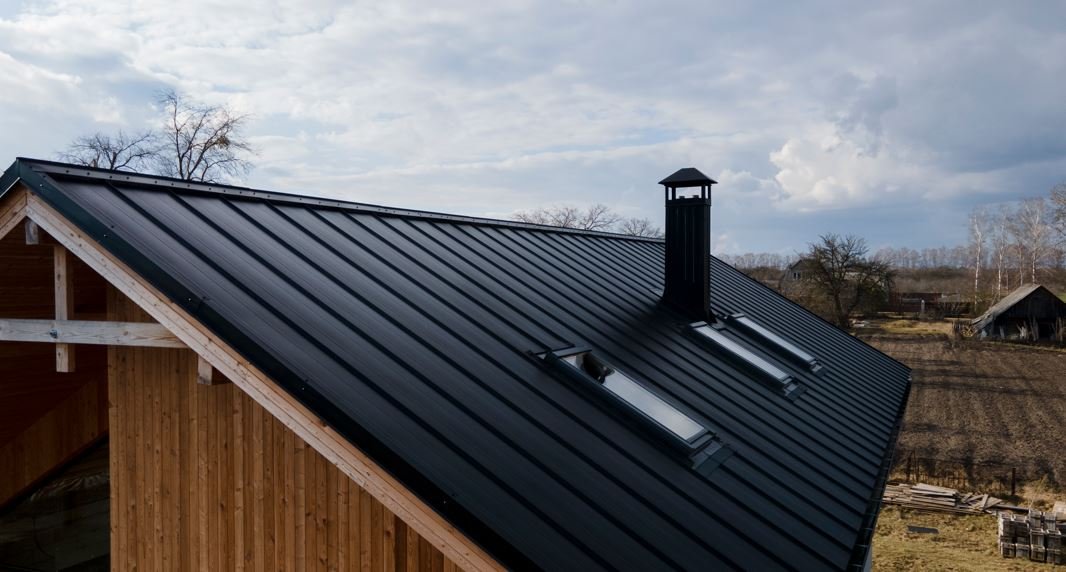
Roof Inspection Cost by State (All 50 States) – 2026
State-level pricing reflects regional labor markets, contractor density, and local climate factors that drive demand. The table below shows the typical range for a standard physical residential roof inspection by state, based on 2026 regional contractor market data cross-referenced with Angi, HomeGuide, and Fixr reporting.
| State | Typical Range | Average | Cost Tier | Key Driver |
|---|---|---|---|---|
| California | $200 – $450 | $320 | High | High labor costs, complex rooflines, strict licensing |
| New York | $200 – $450 | $310 | High | NYC metro premium, high labor, multi-story housing |
| Hawaii | $220 – $480 | $340 | High | Island logistics, limited contractor competition |
| Massachusetts | $195 – $420 | $295 | High | High cost of living, older housing stock |
| Alaska | $210 – $500 | $350 | High | Remote access, limited contractor base, extreme weather |
| Washington | $185 – $380 | $270 | High | Seattle metro premium, steep-pitch homes common |
| Connecticut | $180 – $370 | $265 | High | High cost of living, NYC metro proximity |
| New Jersey | $175 – $360 | $255 | Mod-High | Dense population, high labor, NYC/Philadelphia metro |
| Colorado | $165 – $340 | $245 | Mod-High | Hail storm demand, mountain access premiums |
| Oregon | $165 – $340 | $240 | Mod-High | Portland metro premium, steep-pitch homes |
| Minnesota | $160 – $330 | $235 | Mod-High | Winter inspection premiums, snow/ice damage demand |
| Illinois | $155 – $330 | $230 | Mod-High | Chicago metro at upper end, seasonal demand |
| Maryland | $155 – $325 | $225 | Mod-High | DC/Baltimore metro premium, aging housing stock |
| Virginia | $150 – $310 | $220 | Mod-High | Northern Virginia (DC suburb) at upper end |
| Florida | $100 – $300 | $200 | Moderate | High storm demand but large contractor base; wind mitigation adds $75-$175 |
| Texas | $125 – $290 | $195 | Moderate | Competitive market, high hail storm volume in DFW |
| Arizona | $120 – $270 | $185 | Moderate | Phoenix metro competitive market, flat/low-slope common |
| Georgia | $130 – $285 | $195 | Moderate | Atlanta metro at upper end, competitive statewide |
| North Carolina | $130 – $285 | $195 | Moderate | Active storm market, growing contractor density |
| Pennsylvania | $140 – $295 | $200 | Moderate | Philadelphia higher, rural PA lower; older homes common |
| Ohio | $130 – $275 | $190 | Moderate | Competitive market, seasonal demand spikes |
| Michigan | $130 – $280 | $190 | Moderate | Snow/ice damage demand, Detroit area at upper end |
| Tennessee | $120 – $265 | $180 | Moderate | Nashville market growing, competitive statewide |
| Missouri | $120 – $265 | $178 | Moderate | Kansas City and St. Louis metros at upper end |
| Indiana | $115 – $255 | $173 | Moderate | Competitive market, moderate labor rates |
| Wisconsin | $120 – $265 | $178 | Moderate | Winter premiums, Milwaukee metro at upper end |
| Nevada | $125 – $270 | $182 | Moderate | Las Vegas market large but competitive |
| South Carolina | $115 – $255 | $172 | Moderate | Hurricane/storm demand, growing contractor base |
| New Mexico | $110 – $245 | $168 | Lower | Lower cost of living, Albuquerque dominant market |
| Kentucky | $110 – $240 | $165 | Lower | Rural-dominant market, competitive labor |
| Louisiana | $110 – $245 | $168 | Lower | Storm demand (hurricane corridor) offset by competitive market |
| Alabama | $100 – $230 | $158 | Lower | Lower cost of living, competitive rural market |
| Mississippi | $95 – $215 | $148 | Lower | Lowest labor costs nationally, limited metro premium |
| Arkansas | $100 – $225 | $155 | Lower | Rural-dominant, competitive contractor market |
| Oklahoma | $105 – $235 | $160 | Lower | Tornado/hail demand, competitive OKC market |
| Kansas | $105 – $230 | $158 | Lower | Hail storm volume, rural-dominant pricing |
| Nebraska | $105 – $235 | $160 | Lower | Hail market, Omaha metro slightly higher |
| Iowa | $105 – $235 | $160 | Lower | Seasonal demand, rural competitive pricing |
| Idaho | $120 – $260 | $175 | Moderate | Boise market growing, mountain access premiums |
| Utah | $130 – $275 | $190 | Moderate | Salt Lake growth market, steep-slope homes |
| Montana | $115 – $255 | $172 | Moderate | Limited contractor base, access premiums in rural areas |
| Wyoming | $110 – $245 | $165 | Lower | Sparse market, Cheyenne/Casper dominant |
| North Dakota | $105 – $235 | $158 | Lower | Small market, seasonal demand spikes |
| South Dakota | $105 – $235 | $158 | Lower | Hail storm demand, sparse contractor base |
| Maine | $155 – $330 | $230 | Mod-High | Older housing stock, snow/ice demand, limited contractor base |
| Vermont | $155 – $325 | $225 | Mod-High | Steep-pitch homes, winter premiums |
| New Hampshire | $155 – $325 | $228 | Mod-High | Boston metro proximity, winter premiums |
| Rhode Island | $165 – $345 | $240 | Mod-High | Dense population, high cost of living, older homes |
| Delaware | $145 – $305 | $215 | Moderate | Philadelphia proximity, moderate market |
| West Virginia | $105 – $235 | $160 | Lower | Rural dominant, low cost of living |
What Is Included at Each Price Level
Price range does not always signal quality. A $150 inspection from an experienced certified inspector often delivers more value than a $400 inspection from an inexperienced contractor. Here is what each price tier should include.
| Price Level | What to Expect | What Is Typically Missing | Good For |
|---|---|---|---|
| $75 – $150 | Basic visual exterior check, verbal summary, no written report. Usually from a contractor pre-quoting repair work. | Written report, interior attic check, photos, repair estimates | Quick sanity check before minor repair work |
| $150 – $250 | Full exterior walk, brief attic check, written summary with photos, estimated remaining life, priority repair list | Detailed cost estimates, certification, formal documentation | Annual maintenance, routine check |
| $250 – $400 | Comprehensive exterior and interior inspection, full photo documentation, written report with itemised findings, repair estimates, insurance-ready format | Certification, infrared scanning | Pre-purchase, post-storm insurance claim, financing requirement |
| $400 – $700 | All of the above plus infrared thermal imaging, moisture mapping, or drone aerial survey. Detailed PDF report with annotated photos. | Nothing significant – this is the full service | Recurring leaks, large complex roofs, commercial pre-purchase |
The 12-Point Checklist: What Every Paid Inspection Should Include
If your inspector skips any of these without explanation, ask why – or find a different inspector:
- Shingle condition: granule loss, cracking, curling, blistering, missing pieces
- Flashing at all penetrations: pipe boots, skylights, chimneys, HVAC units
- Valley construction: open vs closed, condition of metal or woven section
- Ridge and hip cap: condition, alignment, sealing
- Gutters and downspouts: attachment, drainage direction, debris buildup
- Soffit and fascia: rot, paint failure, gap at roofline
- Attic ventilation: ridge vent blockage, soffit vent condition, net free area
- Interior attic check: moisture staining on decking, insulation condition, daylight gaps
- Structural assessment: sagging ridgeline, rafter deflection, decking soft spots
- Roof age and material documentation: estimated install date, material type, layer count
- Remaining service life estimate: years remaining before replacement recommended
- Priority repair list: urgent items vs deferred maintenance, with cost estimates
Add-Ons: Certification, Attic Inspection, Written Report
Several services are commonly bundled with or added to a standard roof inspection. Understanding the cost and value of each prevents bill shock.
| Add-On | Cost | What It Is | When You Need It |
|---|---|---|---|
| Roof certification | $75 – $200 | A roof certification estimates the roof’s lifespan and declares it in acceptable condition. A dated document signed by a licensed inspector stating the roof is in acceptable condition with estimated years of remaining life. | Home sale, refinancing, insurance requirement for older roofs |
| Attic inspection | $200 – $500 | An attic inspection costs between $200 and $500 on average and can help catch issues that are not visible on the surface of the roof such as wood rot, water damage, mold, holes, and poor ventilation. | Any time moisture intrusion is suspected, older homes with unknown history |
| Written report | $50 – $150 | A formal documented report with photos, findings, and recommendations. Some inspectors include this, others charge separately. Essential for insurance claims and real estate transactions. | Pre-purchase, insurance claim, any formal documentation requirement |
| Emergency / rush | $100 – $300 surcharge | Same-day or next-day inspection service during high-demand periods (post-storm). Contractors command a premium because they are bumping other scheduled work. | Active leak causing interior damage, storm damage documentation before a contractor visit |
| Gutter inspection | $75 – $150 | Detailed assessment of gutter condition, attachment, pitch toward downspouts, and debris load. Often bundled at a discount with the roof inspection. | Bundle with roof inspection for best value – gutters are directly linked to roof performance |
| Insurance documentation package | $75 – $200 | Inspection report formatted specifically for insurance claim submission, including GPS-referenced photos, damage severity ratings, and repair cost estimates in insurance adjuster format. | Storm damage insurance claims – saves significant time in the claims process |
Free Roof Inspections: When to Accept and When to Pay
Many roofing contractors advertise free roof inspections. Understanding the difference between a free contractor inspection and a paid independent inspection protects you from expensive unnecessary repairs.
After a storm – Getting multiple free contractor inspections after a hail or wind event is standard practice and helps you understand damage scope before filing an insurance claim.
Pre-repair verification – If you already know you need a specific repair and want a cost estimate, a contractor’s free inspection as part of a quote is appropriate.
Annual maintenance check – For a simple 5-year-old roof on a standard home with no known issues, a free contractor inspection as routine maintenance is reasonable.
Home purchase – A buyer should always pay for an independent inspector with no financial interest in finding or not finding problems. Budget $200 to $350.
Insurance dispute – When an insurance adjuster and a contractor disagree on damage scope, an independent certified inspector provides an unbiased third-party assessment.
Recurring leak – If multiple contractors have failed to find a leak source, pay for an infrared inspection. The thermal imaging will find what eyes missed.
Roof Inspections, Insurance, and Wind Mitigation
Does Insurance Cover Roof Inspections?
Standard homeowners insurance does not cover routine roof inspections. Inspections performed as part of a weather damage claim may be covered or reimbursed through the claim process. Some insurance companies require a roof inspection before issuing or renewing policies on roofs over 15 to 20 years old.
Florida Wind Mitigation Inspections
Florida is unique in that wind mitigation inspections are practically mandatory because they unlock significant insurance premium discounts. A $100 inspection can save $500+ per year on hurricane insurance.
The inspection produces the OIR-B1-1802 form documenting:
- Roof shape: Hip roofs qualify for the maximum discount – they outperform gable ends in wind events
- Roof deck attachment: 8d nails at 6-inch spacing qualifies for a discount vs staples or 6d nails
- Roof-to-wall connection: Hurricane straps or clips vs toenails
- Roof covering: FBC-approved products since 2002 qualify
- Opening protection: Impact-resistant windows and doors
Insurance Claims and Roof Inspections
After a major weather event (hail, wind, hurricane), the sequence is:
- Get 2 to 3 free contractor inspections to understand the damage scope
- Contact your insurance company and file a claim if damage is confirmed
- An insurance adjuster will schedule an inspection – this is their assessment, not yours
- If the adjuster’s assessment differs significantly from the contractor’s, hire an independent inspector ($200 to $350) for a third-party assessment
- A public adjuster can also represent you in the claims process for a percentage of the settlement
How to Hire the Right Roof Inspector
Haag Certified Inspector (HCI): The most recognized certification for residential storm damage assessment. Haag training is specifically focused on hail and wind damage documentation and is accepted by most insurance carriers.
InterNACHI or ASHI certified: General home inspector certifications that include roofing. Good baseline credential for a pre-purchase inspection.
NRCA member: Membership in the National Roofing Contractors Association indicates commitment to industry standards, though it does not certify inspection competence specifically.
FAA Part 107 (for drone): Any commercial drone operator must hold FAA Part 107 certification. Ask for their certificate number and verify at faa.gov.
1. Are you licensed and insured for roofing in this state? (Not all states require licensing but insurance is non-negotiable.)
2. What does the inspection include – exterior only, or attic as well?
3. Will I receive a written report with photos?
4. How long will the inspection take?
5. Do you provide repair estimates, and if so, are you also the company that would do the work?
6. Is the inspection fee credited toward repair work if I hire you? (Legitimate offer – common industry practice.)
Storm chasers: Out-of-state contractors who arrive after a major storm event and pressure-sell replacements. They may disappear after collecting deposits.
“Your insurance will cover everything”: A legitimate inspector does not promise insurance outcomes. Any contractor who guarantees an insurance payout before seeing the roof is committing insurance fraud.
No written report: Any inspection worth paying for produces a written report. An inspector who provides only a verbal summary has given you nothing you can use.
Same-day pressure selling: Getting an inspection quote and a same-day “act now” replacement pitch is a high-pressure tactic. Get the report, then get independent repair quotes.
Bundle with gutter cleaning: Many contractors offer a 10 to 15% discount when you combine roof inspection with gutter cleaning. The crew is already on-site with ladders set.
Ask about the credit-back: Many contractors will credit the inspection fee ($150-$250) toward your final bill if you hire them for the repair. Ask upfront – this is standard industry practice.
Avoid post-storm rush pricing: If your roof is not actively leaking, wait 2 to 3 weeks after a storm for demand to normalize and emergency surcharges to drop.
Schedule in fall or spring: Contractors are most available in October and March-April. Avoid peak summer (storm season) and winter (when access is limited) for the best pricing.
Frequently Asked Questions: Roof Inspection Cost
How much does a roof inspection cost in 2026?
A roof inspection costs $100 to $400 on average, depending on the roof size, complexity, and if it is a physical appraisal, infrared, or drone inspection. The national average for a standard physical inspection sits at approximately $220 in 2026. The full range spans from $75 for a basic walk-on inspection on a small single-story home to over $700 for an infrared thermal inspection on a large complex roof. Use the free roof inspection cost calculator to get a personalised estimate for your specific home, location, and inspection type.
What is the cheapest type of roof inspection?
A basic physical walk-on inspection is the least expensive professional option at $75 to $200. Many roofing contractors offer free basic inspections when quoting repair work, though these carry a conflict of interest. For unbiased results on a routine maintenance check, a $150 to $200 independent physical inspection provides good value. The wind mitigation inspection at $75 to $175 is technically the best ROI of any inspection type in Florida, where the insurance savings typically exceed the inspection cost within 30 to 60 days.
How often should you get a roof inspection?
Most roofing professionals and the NRCA recommend a professional inspection at least once every two years for roofs under 10 years old, and annually for roofs over 10 years old. Additionally, get an inspection after any significant storm event with hail, high winds over 60 mph, or heavy debris impact. Standard home inspection advice also recommends inspections when buying or selling. If your roof is under warranty, check the warranty terms – many manufacturer warranties require documented professional inspections at specific intervals to remain valid.
Is a roof inspection worth the cost?
Yes, consistently. A $150 to $400 inspection can identify problems that caught early cost $200 to $800 to repair. Left undetected, the same issues can escalate to $3,000 to $15,000 in water damage, deck rot, and mold remediation. The ROI is strongest for roofs over 10 years old, after storm events, and before purchasing a home. For Florida homeowners, a wind mitigation inspection at $75 to $175 that reduces insurance premiums by $400 to $1,000 per year pays back its cost within weeks. The question is not whether it is worth the cost – it is which type is right for your situation.
What does a roof inspector check?
A comprehensive inspection covers: shingle condition (granule loss, cracking, curling, blistering, missing pieces), flashing at all penetrations (pipe boots, skylights, chimneys, HVAC curbs), valley construction and condition, ridge and hip cap, gutters and downspouts, soffit and fascia, attic ventilation, interior attic for moisture staining and deck condition, structural assessment (sagging ridgeline, soft spots), roof age and material documentation, estimated remaining service life, and a priority repair list with cost estimates. A roof inspection report includes general description with roof details, itemized findings, photographs of areas of concern, and a summary of recommendations.
What is a wind mitigation inspection?
A wind mitigation inspection documents the wind-resistant features of a home’s roof and structure for insurance premium discount purposes. In Florida, it produces the OIR-B1-1802 form covering roof shape (hip vs gable), deck attachment method, roof-to-wall connections, roof covering type, and opening protection. Cost is $75 to $175. The completed form submitted to your insurer can reduce homeowners insurance premiums by $300 to $1,200 per year depending on what the inspection documents. It is one of the only roof-related expenditures that directly pays back its cost within the same year.
Do insurance companies pay for roof inspections?
Standard homeowners insurance does not cover routine maintenance inspections. Inspections initiated as part of a weather damage insurance claim are typically part of the claim process (the insurer sends their own adjuster) rather than reimbursements for third-party inspections. However, if you hire an independent inspector to dispute an adjuster’s assessment, that cost may sometimes be included in a settlement negotiation. Some insurers require a roof inspection before issuing new policies on older roofs – these are often at the homeowner’s expense. The exception is Florida’s wind mitigation program, where the inspection is an investment rather than an expense because it reduces future premiums.
How long does a roof inspection take?
A standard physical inspection on a typical 2,000 sq ft single-story home takes 1 to 2 hours including attic access. Larger or more complex homes with multiple dormers, valleys, and steep pitches take 2 to 3 hours. A drone inspection typically takes 30 to 60 minutes for the flight and another 2 to 4 hours for the inspector to process the imagery and write the report. An infrared inspection requires specific timing (best done 1 to 2 hours after sunset for thermal contrast) and takes 2 to 4 hours on-site. The written report is typically delivered 1 to 2 days after the inspection regardless of type.
Free Roofing Calculators
After your roof inspection, your inspector may recommend repairs or replacement. These free calculators help you price out the work and plan your project. If you need a vetted Texas contractor to follow up on inspection findings, see our lists for Houston, Austin, and Dallas.