For most Rehoboth Beach homes, architectural asphalt shingles offer the best upfront value, metal roofing offers the best long-term value near salt air, and cedar shake delivers classic coastal style but demands the most maintenance. Near the ocean, fasteners, flashing, and underlayment matter as much as the surface material you choose.
Rehoboth Beach puts a roof through more than an inland Delaware home ever sees. Salt-laden air eats at exposed metal. Nor’easters drive rain sideways under shingle edges. Humid summers feed algae, mildew, and wood rot. A material that performs well in Dover can fall short a few blocks from the boardwalk.
Quick Comparison
| Factor | Architectural Asphalt | Metal (Standing Seam) | Cedar Shake |
|---|---|---|---|
| Installed cost per sq ft | $6 – $13 | $11 – $15+ | $7 – $16 (premium up to $30) |
| 2,000 sq ft roof | $12,000 – $26,000 | $22,000 – $30,000 | $14,000 – $32,000 |
| Realistic coastal lifespan | 18 – 25 years | 40 – 60 years | 15 – 25 years (30+ with strict upkeep) |
| Wind resistance | Good; up to 130 mph warranties | Excellent with tested assembly | Moderate; depends on installation |
| Salt air resistance | Good; fasteners and flashing are weak points | Excellent with aluminum or coastal-rated coatings | Good for wood; metal components still corrode |
| Maintenance level | Low | Very low | High |
| Best for | Budget, rentals, shorter ownership | Long-term owners, oceanfront blocks | Historic or cottage-style homes |
Why Rehoboth’s Coast Changes the Math
Salt corrosion. Airborne salt settles on metal surfaces and speeds up rust at nails, drip edge, step flashing, and vent boots. On steel roofing panels, corrosion often starts at cut edges and scratches.
Wind. Coastal Sussex County carries design wind speeds of roughly 120 to 130 mph near the shoreline, compared to about 115 mph inland. Shingles and panels must carry ratings that match the mapped value for your address.
Wind-driven rain. Nor’easters can last for days and push water uphill under shingle laps and through unsealed deck seams. The underlayment becomes your real water barrier.
Humidity. Moist air feeds algae streaks on shingles and mildew and rot on wood. Poor attic ventilation makes all three worse.
Any honest material comparison has to weigh all four factors together. General durability ratings from national product literature rarely reflect life a few blocks from the Atlantic.
Asphalt Shingles: The Value Choice
Asphalt shingles remain the most common roof in Delaware. Most homeowners pay around $11,000 to $13,500 for a quality architectural shingle replacement, making asphalt the lowest upfront cost of the three.
Architectural, not 3-tab
Architectural shingles bond two or more layers together, which makes them heavier and far more wind resistant than single-layer 3-tab products. Premium lines carry wind warranties up to 130 mph when installed to manufacturer specs. Local contractors report that basic 3-tab shingles often fall short of coastal Sussex County wind requirements.
Coastal installation matters most
The shingle is only part of the roof. Near the ocean, ask for corrosion-resistant fasteners, a full ice and water shield or sealed deck, a six-nail pattern, and aluminum or other non-rusting drip edge and flashing. Choose algae-resistant shingles to limit black streaking in humid summers.
The trade-offs
Salt, UV, and heat speed up granule loss over time. Some shingle warranties also exclude damage or discoloration caused by salt spray, so read the terms before you buy. Expect a shorter real-world lifespan than inland Delaware homes get from the same product.
Metal Roofing: The Long-Term Choice
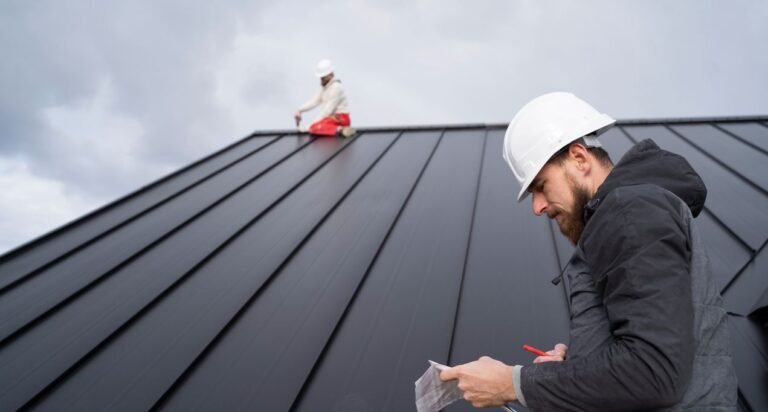
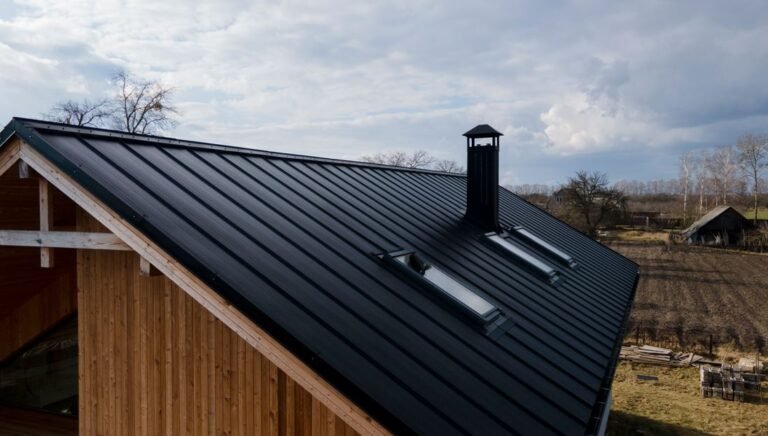
Metal roofing has become increasingly popular along the Delaware coast for its wind resistance and longevity. In Delaware, a metal roof on a 2,000 sq ft home runs about $16,000 to $32,000, and standing seam typically costs $22,000 to $30,000.
Steel vs. aluminum near salt water
This is the most important metal decision in Rehoboth Beach. Galvalume, the aluminum-zinc coated steel used under most standing seam roofs, performs well in most coastal areas. However, many manufacturer warranties exclude installations within roughly 1,500 feet of salt water, and exact distances vary by product.
Aluminum does not red-rust, so it is the common choice for oceanfront and near-ocean blocks. The trade-off is price: aluminum substrates can cost 80 to 100 percent more than Galvalume.
Details that decide coastal performance
Concealed-fastener standing seam systems keep screws out of direct salt exposure. Fasteners, clips, and flashing should match or be compatible with the panel metal to avoid galvanic corrosion. Cut edges and installation scratches should be protected, since that is where corrosion usually starts.
Cedar Shake: The Character Choice
Cedar shake gives a beach home the weathered, traditional look many buyers associate with coastal Delaware. It also asks the most of its owner.
Cost
Cedar shake roofs commonly run $7 to $12 per square foot installed, or about $14,000 to $24,000 for a 2,000 sq ft home. Hand-split shakes and premium grades cost more, and premium Western Red Cedar can reach $25 to $30 per square foot in some markets.
Lifespan depends on maintenance
A well-maintained cedar roof can last 30 to 40 years in favorable conditions. With no maintenance, it can fail in 15 to 20 years. In humid coastal climates, expect about 15 to 25 years even with care, because moisture, rain, and UV are cedar’s three biggest enemies.
Ongoing upkeep
- Cleaning at roughly $0.30 to $0.70 per square foot
- Preservative treatments every 3 to 5 years, typically $500 to $1,500
- Annual inspection and replacement of split or cupped shakes
- Copper or stainless flashing, since standard flashing can fail long before the wood
Natural cedar also typically carries no materials warranty, so the contractor’s workmanship warranty is the main protection you get.
Synthetic Shake: A Fourth Option
If you love the cedar look but not the upkeep, synthetic shake is worth a quote. Engineered polymer products replicate cedar texture while resisting moisture, UV, and mildew. Many carry Class A fire ratings, 130+ mph wind ratings, and 50-year or lifetime manufacturer warranties. Installed cost typically runs $9 to $20 per square foot depending on product and market.
30-Year Cost Comparison for a 2,000 Sq Ft Roof
Upfront price tells only part of the story. This illustrative model uses midpoint 2026 pricing, a realistic coastal lifespan, and typical upkeep. It excludes inflation and financing.
| Material | Install Cost | Replacements in 30 Years | 30-Year Upkeep | Est. 30-Year Total |
|---|---|---|---|---|
| Architectural asphalt | $13,000 | 1 (around year 20) | ~$6,000 | ~$32,000 |
| Standing seam metal | $26,000 | 0 | ~$4,500 | ~$30,500 |
| Natural cedar shake | $20,000 | 1 (around year 20) | ~$30,000 | ~$70,000 |
| Synthetic shake | $24,000 | 0 | ~$4,500 | ~$28,500 |
Metal costs twice as much as asphalt on day one but roughly breaks even within 30 years, then keeps delivering. Cedar costs the most over time because coastal upkeep adds up. Measure your own roof with our roof square footage calculator, then price options with the metal roof cost calculator.
Lifespan and Maintenance
| Task | Asphalt | Metal | Cedar Shake |
|---|---|---|---|
| Professional inspection | Annually and after storms | Annually and after storms | Annually and after storms |
| Cleaning | Algae treatment as needed | Rinse salt buildup in protected areas | Clean once or twice a year |
| Treatment | None | Touch up scratches and cut edges | Preservative every 3-5 years |
| Common repair | Lifted or missing shingles | Loose fasteners, sealant at trims | Split, cupped, or rotted shakes |
| Typical yearly upkeep | Low | Very low | $500 – $1,500 |
The Roof System Underneath Matters as Much
No surface material performs well on the coast without the right layers beneath it. Cutting any of these to save money undermines even a premium roof.
| Component | Coastal Recommendation | Why It Matters |
|---|---|---|
| Ice and water shield | Eaves, valleys, penetrations; full coverage on exposed roofs | Stops wind-driven rain that gets past the surface |
| Synthetic underlayment | High-temperature synthetic over the remaining deck | Resists tearing and moisture better than felt |
| Drip edge | Aluminum or other non-rusting metal | Protects deck edges and fascia from runoff |
| Flashing | Aluminum, copper, or stainless at every transition | Most coastal leaks start at walls, chimneys, and valleys |
| Fasteners | Stainless or coastal-rated coated fasteners | Rusted nails lose holding power in high winds |
| Ventilation | Balanced soffit intake and wind-rated ridge exhaust | Controls attic moisture that rots decks and cedar |
Why Contractor Certification Matters on the Coast
Installation shortcuts show up faster near the ocean. Manufacturer certification is one useful filter.
GAF Master Elite status is held by roughly 2 percent of roofing contractors in North America. It requires licensing and insurance, customer satisfaction standards, ongoing training, and typically years in business. Master Elite contractors can offer GAF’s Golden Pledge warranty, with up to 50 years of material coverage and up to 25 years of workmanship coverage.
Certification is not the only signal. Verify any claimed credential directly on the manufacturer’s website, ask how many coastal installs the crew completes each year, and request references from homes near the beach. For metal and cedar, ask about experience with that specific material.
Which Material Fits Your Rehoboth Beach Home?
The right material depends on your budget, how long you’re planning to own the property, and how much ongoing maintenance you’re realistically willing to commit to for a material like cedar shake.
Rehoboth Beach roofing contractors who understand this coastal exposure specifically should walk through all three options honestly, including the real maintenance and installation details that determine how each material actually performs here, not just its general reputation.
Frequently Asked Questions
What is the best roofing material for a Rehoboth Beach home?
It depends on budget and ownership plans. Architectural asphalt shingles offer the lowest upfront cost, standing seam metal offers the longest life and best salt and wind performance, and cedar shake offers classic coastal style but needs the most maintenance. For long-term owners near the ocean, metal is often the strongest overall value.
How much does a new roof cost in Rehoboth Beach?
Most Delaware architectural shingle replacements cost about $11,000 to $13,500. Standing seam metal typically runs $22,000 to $30,000 for a standard home, and cedar shake commonly runs $14,000 to $24,000 for a 2,000 sq ft roof, with premium shakes costing more. Coastal installation upgrades can add to each.
Do asphalt shingles hold up near the ocean?
Architectural asphalt shingles can perform well on the coast when installed with corrosion-resistant fasteners, a strong underlayment, and non-rusting flashing and drip edge. Expect a somewhat shorter lifespan than inland, and check whether the shingle warranty excludes salt spray damage.
Will a metal roof rust at the beach?
Steel roofing can corrode near salt water, especially at cut edges, scratches, and exposed fasteners. Many Galvalume steel warranties exclude installations within about 1,500 feet of salt water. Aluminum does not red-rust and is the common choice for oceanfront and near-ocean homes.
Is aluminum or steel roofing better for Rehoboth Beach?
Within roughly 1,500 feet of the ocean, aluminum is usually the safer choice because many steel warranties do not apply there. Further inland, coastal-rated Galvalume steel is often a cost-effective option. Aluminum substrates can cost 80 to 100 percent more than Galvalume, so compare warranty terms for your exact address.
How long does a cedar shake roof last on the coast?
In humid coastal climates, cedar shake typically lasts about 15 to 25 years with regular maintenance. A neglected cedar roof can fail in 15 to 20 years, while carefully maintained cedar in favorable conditions can reach 30 to 40 years.
How much does cedar shake maintenance cost?
Cedar cleaning commonly runs about $0.30 to $0.70 per square foot, and preservative treatments every 3 to 5 years typically cost $500 to $1,500. Coastal owners should also budget for annual inspections and replacing damaged shakes.
Is synthetic shake a good alternative to cedar?
Yes, for many coastal homeowners. Synthetic shake mimics the cedar look while resisting moisture, UV, and mildew. Many products carry Class A fire ratings, 130+ mph wind ratings, and 50-year or lifetime warranties, with installed costs typically around $9 to $20 per square foot.
What wind rating does a Rehoboth Beach roof need?
Coastal Sussex County design wind speeds run roughly 120 to 130 mph near the shoreline. Your roofing product must carry a rating that meets the mapped value for your address. Many architectural shingles carry up to 130 mph wind warranties when installed to manufacturer specifications.
Should I hire a GAF Master Elite contractor?
It is a useful quality filter. Roughly 2 percent of roofing contractors in North America hold GAF Master Elite status, which requires licensing, insurance, training, and customer satisfaction standards and unlocks GAF’s Golden Pledge warranty. Verify the credential on GAF’s website and also check coastal experience and local references.
Free Roofing Calculators
Sources
- CTA Exteriors, Delaware Roof Replacement Cost 2026 Price Guide
- Resident.com, Delaware roof replacement costs in 2026
- Modern Exterior, Roof Replacement Cost in Delaware (2026) and roofing shingle types guide
- This Old House, Roof Replacement Cost in Delaware and Cedar Shake Roof Cost (2026)
- Universal Steel, Delaware design wind speeds by county
- McElroy Metal, Metal Roofing in Coastal Areas and Galvalume vs. aluminum coastal guidance
- RoofVista, Cedar Shake Roof Cost 2026
- The Roofing Brief, Cedar Shake Roofing: Grades, Cost, and Lifespan (2026)
- Weather Shield Roofers, Cedar Shake Roof Cost, Maintenance and Lifespan (2026)
- EcoWatch, Cedar Shake Roof Cost and Homeowners Guide
- Atrax Roof and Gutter and Raindrop Roofing, GAF Master Elite program details (2026)
Disclaimer: Costs, lifespans, and warranty details in this guide are 2026 estimates compiled from published contractor, manufacturer, and industry sources for planning purposes only. The 30-year model is illustrative. Warranty proximity clauses, wind requirements, and pricing vary by product, manufacturer, and address. Get written quotes and warranty documents from licensed, insured roofing contractors before choosing a material.