Roof Replacement Cost in Ohio in 2026
Roof replacement in Ohio costs $6,000 to $32,000 for most homes in 2026, and can exceed $60,000 with premium materials on a large roof. Small homes with basic asphalt start near $6,000; large homes with metal or slate can run well past $32,000. Home size, material, and whether you are in a major metro are the three biggest cost drivers.
Ohio roofing carries a few quirks most states do not have. There is still no statewide roofing license, but a brand-new 2026 law now requires residential contractors to register with the state for the first time. Ohio is also a codified roof-matching state, and lake-effect snow near Cleveland changes what materials make sense. This guide breaks every one of those variables down using current 2026 pricing data, so you can budget with real numbers instead of a single average figure.
Skip the math. Get an exact number for your roof by size, material, and Ohio zip code.
Try the Roof Replacement Cost CalculatorQuick Cost Summary by Home Size
Roof replacement cost in Ohio scales mainly on three things: how much roof surface you have, which material you pick, and whether you are in a major metro or a smaller city. This table gives a fast, blended-material overview by home size. The sections below break the same numbers down by exact material and by region.
| Home size | Approx roof area | Typical cost range |
|---|---|---|
| Small (under 1,500 sq ft) | 10 – 15 squares | $6,000 – $13,000 |
| Medium (1,500 – 2,500 sq ft) | 15 – 25 squares | $9,000 – $18,000 |
| Large (2,500 sq ft and up) | 25+ squares | $17,000 – $32,000 |
These ranges reflect a mix of common materials, mostly asphalt shingles. Columbus, Cleveland, and Cincinnati, and premium materials like metal or slate, can push any size well above these figures, sometimes past $60,000 on a large roof.
How These Numbers Are Calculated
Roof area is not the same as home square footage. Overhangs, eaves, and pitch typically add 10 to 30 percent more surface area than the finished floor plan; roofing is priced per square (100 sq ft), so a 2,000 sq ft home is roughly 20 squares of material on a standard 6:12 pitch, more on a steeper or more complex roof.
The per-square-foot figures in this guide come from cross-referencing multiple 2026 Ohio contractor and marketplace sources, and reflect a fully installed job: tear-off, disposal, underlayment, drip edge, and flashing. Steeper pitches and complex layouts with multiple valleys, dormers, or skylights can increase costs by as much as 30 percent, and most contractors build in a 10 to 15 percent material waste factor. For a concrete example, several sections below use a 2,000 sq ft roof (20 squares), a common average size, to show what the per-square-foot rates translate to in dollars.
Homes in Columbus, Cleveland, and Cincinnati typically run 10 to 15 percent above rural Ohio for an identical project, driven by higher local labor rates. To price your own roof exactly, use the roof’s square footage calculator and multiply by the per-square-foot rate for your material below.
Cost by Roofing Material
Material choice is the single largest lever on total cost, regardless of home size. The table below gives the per-square-foot installed rate for each option, plus what that comes to on a 2,000 sq ft roof (20 squares) as a worked example.
| Material | Cost per sq ft | Example total (2,000 sq ft roof) | Typical lifespan |
|---|---|---|---|
| 3-tab asphalt shingles | $3.50 – $6.00 | $7,000 – $12,000 | 15 – 20 years |
| Architectural (dimensional) shingles | $4.50 – $8.00 | $9,000 – $16,000 | 20 – 30 years |
| Impact-resistant (Class 4) shingles | $6.00 – $10.00 | $12,000 – $20,000 | 25 – 35 years |
| Flat / low-slope TPO or EPDM | $5.00 – $8.00 | $10,000 – $16,000 | 15 – 25 years |
| Metal (exposed-fastener to standing seam) | $7.00 – $18.00 | $14,000 – $36,000 | 30 – 50 years |
| Slate and copper (niche) | $15.00 – $35.00 | $30,000 – $70,000 | 75 – 150 years |
3-Tab Asphalt Shingles
The most affordable option at $3.50 to $6.00 per sq ft. This category keeps shrinking statewide as more homeowners move to architectural or impact-resistant products for better hail and wind performance.
Architectural (Dimensional) Shingles
The default choice for most Ohio homeowners, at $4.50 to $8.00 per sq ft. Expect 20 to 30 years, though repeated freeze-thaw cycles and storm exposure tend to trim actual results toward the lower end.
Impact-Resistant (Class 4) Shingles
Rated to UL 2218 Class 4 and a growing choice given Ohio’s hail exposure, at $6.00 to $10.00 per sq ft. The upgrade often pays for itself through the insurance considerations covered later in this guide.
Flat and Low-Slope: TPO and EPDM
Common on additions, garages, and older urban housing stock, at $5.00 to $8.00 per sq ft. Proper slope and drainage matter enormously; ponding water shortens the life of a flat roof faster than almost anything else.
Metal (Exposed-Fastener to Standing Seam)
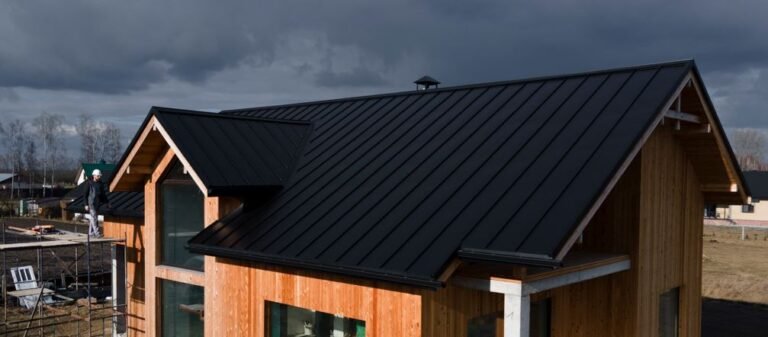
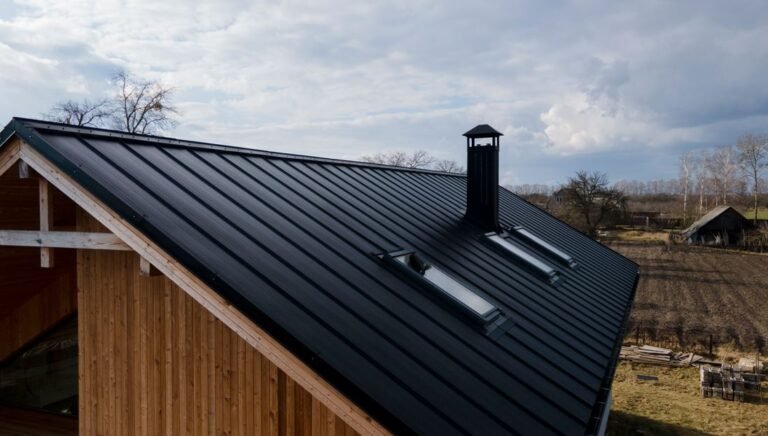
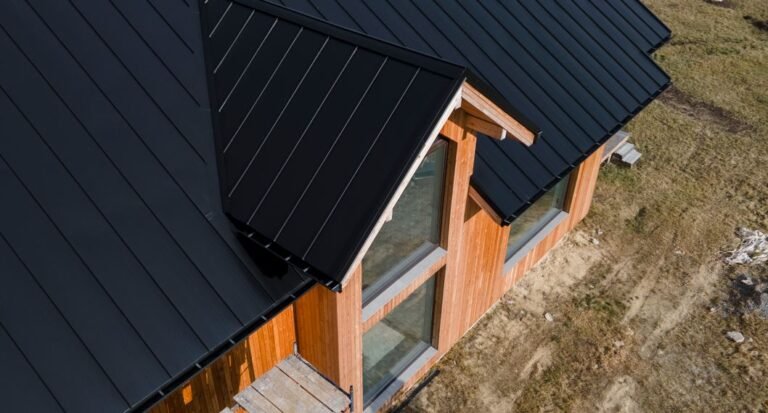
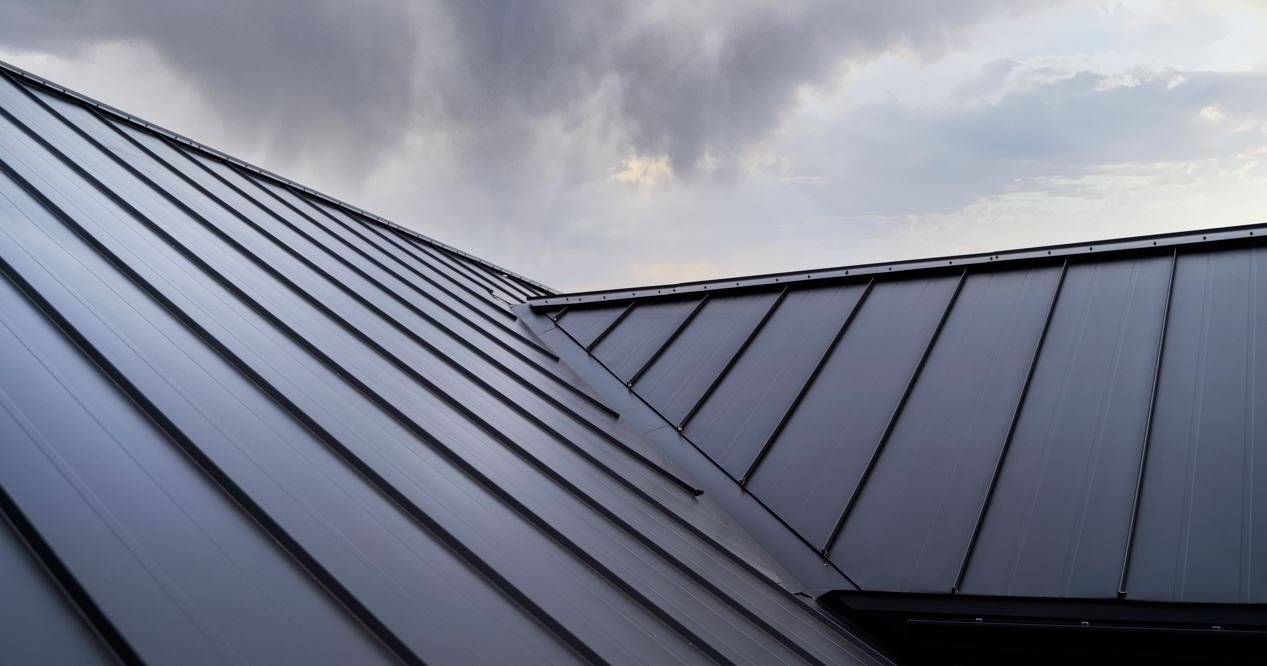
Metal ranges from $7.00 per sq ft for exposed-fastener panels to $18.00 or more for standing seam. Standing seam is increasingly popular in the Cleveland snowbelt for its ability to shed heavy lake-effect snow loads, with 30 to 50 year lifespans common.
Slate and Copper
Natural slate and copper run $15.00 to $35.00 per sq ft, rare outside high-end and historic homes in Cleveland’s older neighborhoods and Columbus’s German Village. Clay and concrete tile are unusual in Ohio since freeze-thaw cycles crack tile roofing over time.
What Is Included in the Price
Labor typically makes up 50 to 60 percent of total cost in 2026, with materials, tear-off, and permitting making up the rest. The breakdown below reflects a typical architectural shingle project of any size.
- Tear-off and disposal: $1.25 to $5.50 per sq ft, higher for multiple existing layers.
- Decking repair: rotted or damaged wood decking must be replaced before new material goes on; this is a common source of cost overruns discovered mid-project.
- Underlayment: standard synthetic underlayment; ice and water shield at eaves and valleys is common practice statewide and effectively required in the Lake Erie snowbelt.
- Flashing and drip edge: usually included, but confirm this line item in writing.
- Permits: $75 to $1,000 by city, detailed below.
Cost by Ohio Region
Ohio pricing splits mainly along one line: the three big metros versus everywhere else. Columbus, Cleveland, and Cincinnati all run 10 to 15 percent above rural and smaller-city Ohio for an identical roof.
| Region | Typical installed range | Price driver |
|---|---|---|
| Columbus | $9,000 – $18,000 | Largest metro labor market in the state |
| Cleveland & Northeast Ohio | $9,500 – $17,000 | Lake-effect snow load pushes more homeowners toward premium materials |
| Cincinnati & Southwest Ohio | $8,500 – $16,500 | Competitive contractor market keeps pricing close to the state average |
| Rural & Smaller Ohio Cities | $7,500 – $14,000 | Lower labor cost of living, most affordable region |
Why Ohio Roofing Costs What It Does
Lake-Effect Snow and the Northeast Ohio Snowbelt
Ohio receives 35 to 45 inches of rain a year statewide, but snowfall is where the state splits sharply: the northeast corner near Lake Erie sees heavy lake-effect snow, while southwest Ohio gets only light dustings. Heavier, more frequent snow loads in the Cleveland snowbelt push more homeowners there toward steel or standing seam metal, which sheds snow better than asphalt and resists the ice-dam cycle that damages eaves and gutters.
Hail, Wind, and Storm Frequency
Ohio experiences strong storms, hail, and high winds across most of the state, and insurance carriers have responded by shifting more policies to percentage-based wind and hail deductibles rather than flat dollar amounts, discussed further below. Storm frequency drives contractor demand spikes in the same way it does in more hurricane- or hail-prone states, just on a smaller scale.
No Statewide Roofing License, But a New 2026 Registration Requirement
Ohio has never issued a statewide roofing contractor license; roofing has historically been regulated only by individual cities and counties. That changed on January 1, 2026, when House Bill 614 created Ohio’s first-ever statewide Home Improvement Contractor Registration, administered by the Ohio Construction Industry Licensing Board (OCILB). Any contractor performing remodeling, repair, or renovation work, including roofing, on a 1-, 2-, or 3-family home must now register with the state, carry a $25,000 surety bond and $500,000 in general liability coverage, and pass a criminal background check. City-level rules still apply on top of this: Columbus requires its own General Contractor or Home Improvement Limited Contractor license, and Cincinnati and Cleveland both require separate local contractor registration.
Permit Costs by Region
Most Ohio jurisdictions require a permit for roofing work covering more than 200 sq ft, and fees vary considerably by city.
| Region | Permit fee | Notes |
|---|---|---|
| Columbus | $150 – $500 | Separate contractor license fee of $250 to $300 also applies |
| Cleveland | $150 – $500 | Separate city contractor registration required |
| Cincinnati | $100 – $1,000 | Fee scales with project size and value |
| Dayton & Other Cities | $75 – $300 | Lowest permit costs in the state |
Insurance and Your Roof Replacement
Wind and Hail Deductibles
Many Ohio insurers now apply a separate wind and hail deductible calculated as a percentage of your home’s Coverage A (dwelling) limit, commonly 1, 2, 5, or even 10 percent, rather than a flat dollar amount. On a $350,000 home at 2 percent, that is $7,000 out of pocket before coverage applies. Check your declarations page directly, since this structure varies by carrier.
ACV Shift After 15 Years
In 2026, many Ohio carriers automatically shift roofs older than 15 years from replacement cost value (RCV) to actual cash value (ACV) settlement unless the homeowner can document the roof is in excellent condition. ACV pays the depreciated value, so an older roof can mean a settlement check that covers only a fraction of the actual replacement cost. Most Ohio homeowners have up to one year from the date of damage to file a claim.
Ohio’s Roof Matching Law
Ohio is a codified matching state. Ohio Administrative Code Rule 3901-1-54(I)(1)(b) requires that when a repair does not match the quality, color, or size of the undamaged material, the insurer must replace as much of the roof as needed to produce a reasonably comparable appearance. This matters most with architectural shingles, since color blends are frequently discontinued within a few years of production, which can turn a single-slope hail claim into a stronger case for full roof replacement.
How Long a New Roof Lasts in Ohio
Ohio’s freeze-thaw cycles, hail exposure, and, in the northeast, heavy snow loads tend to push real-world roof life toward the lower end of manufacturer-rated ranges.
Replacement Timeline
Most Ohio roof replacements take 1 to 3 days of on-site work for an average-size home with asphalt shingles. Permitting typically adds 1 to 10 business days depending on the city.
- Inspection and quote: a few days to a week for a written estimate; get at least three bids before signing.
- Permitting: most cities process straightforward re-roof permits within 1 to 10 business days.
- Tear-off and installation: asphalt or impact-resistant shingles take 1 to 3 days; metal or slate can run longer.
- Final inspection: confirms the work meets Ohio Building Code standards before the permit closes.
Construction season runs roughly March through November statewide, with winter work feasible in southern Ohio with proper precautions. The Cleveland snowbelt has a shorter practical window given heavier and earlier snowfall.
Getting an Accurate Quote
Use these checks to compare bids on an apples-to-apples basis rather than by bottom-line price.
- Get at least three written estimates stating roof area in squares, not just a lump sum.
- Confirm the contractor is registered under Ohio’s new 2026 Home Improvement Contractor Registration (HB 614) through OCILB.
- In Columbus, Cincinnati, or Cleveland, verify the contractor also holds the required local city registration or license.
- Ask whether the quote is a tear-off or a layover, and get the material brand and warranty length in writing.
- If you are filing an insurance claim for partial storm damage, ask your contractor about Ohio’s roof matching law before accepting a single-slope repair.
- Never work with a contractor who offers to waive or absorb your insurance deductible.
Before you request quotes, use the roof pitch calculator to confirm your slope, and the roof’s square footage tool for a precise area instead of relying on this guide’s estimate ranges. Weighing metal against shingles? The metal roof cost calculator breaks down that comparison for your home.
Want numbers specific to your exact roof, not just a size estimate?
Calculate Your Roof’s Square FootageFrequently Asked Questions
How much does a roof replacement cost in Ohio in 2026?
Most homeowners pay $8,500 to $20,000, with Columbus, Cleveland, and Cincinnati often at the higher end. Small homes start near $6,000; large homes with metal or slate can exceed $32,000.
How does home size affect roof replacement cost in Ohio?
Small homes under 1,500 sq ft typically run $6,000 to $13,000, medium homes run $9,000 to $18,000, and large homes over 2,500 sq ft run $17,000 to $32,000 or more before premium materials.
What is the cheapest roofing material in Ohio?
Basic 3-tab asphalt shingles, at $3.50 to $6.00 per sq ft. They carry the shortest lifespan at 15 to 20 years, and many homeowners now choose impact-resistant shingles instead given Ohio’s hail exposure.
Do I need a permit to replace a roof in Ohio?
Yes, in most jurisdictions for roofing work over 200 sq ft. Fees typically run $75 to $1,000 depending on the city, with Cincinnati scaling by project value.
Does Ohio require roofing contractors to be licensed?
There is still no state-specific roofing license, but as of January 1, 2026, House Bill 614 requires all residential remodeling and roofing contractors to register statewide with OCILB. Cities like Columbus, Cincinnati, and Cleveland require additional local registration.
What is Ohio’s roof matching law?
Ohio Administrative Code Rule 3901-1-54(I)(1)(b) requires insurers to replace enough of a damaged roof to produce a reasonably comparable appearance when exact matching materials are unavailable, sometimes supporting a full replacement after partial damage.
How do wind and hail deductibles work in Ohio?
Many insurers apply a separate deductible of 1 to 10 percent of your home’s insured value rather than a flat amount. On a $350,000 home at 2 percent, that is $7,000 out of pocket before coverage applies.
Does lake-effect snow affect roofing costs in Northeast Ohio?
Yes. The Cleveland snowbelt sees significantly heavier snow than southwest Ohio, which pushes more homeowners there toward metal roofing for better snow shedding and ice-dam resistance.
How long does a roof replacement take in Ohio?
Asphalt shingles take 1 to 3 days of on-site work. Permitting adds 1 to 10 business days, and the construction season runs roughly March through November statewide.
How can I get an accurate roof replacement quote?
Get three written estimates listing roof area in squares and confirm the contractor’s 2026 OCILB registration and any required local city license. Compare by cost per square, not just the bottom-line total.
Free Roofing Calculators
Roof Pitch Calculator
Find your roof’s slope and pitch in seconds.
Calculate now → 📏Roof Square Footage Calculator
Get an exact roof area instead of an estimate range.
Calculate now → 💰Metal Roof Cost Calculator
Compare metal against shingles for your exact home.
Calculate now →Sources
- Ohio Administrative Code Rule 3901-1-54 (roof and exterior matching requirements)
- Ohio House Bill 614 (2024) and OCILB Home Improvement Contractor Registration, effective January 1, 2026
- Ohio Building Code (OBC) and local permit requirements for Columbus, Cleveland, and Cincinnati
- Ohio Department of Insurance and Ohio Insurance Agents Association guidance on wind and hail deductibles
- Regional Ohio roofing contractor pricing guides and national cost aggregators, cross-referenced for 2026 Ohio-specific per-square-foot pricing
This guide is for general budgeting purposes. Get a written, in-person inspection before finalizing any roof replacement decision, and confirm current permit fees, registration status, and insurance terms directly with your city and carrier, since all three change over time.