El Cajon runs about 7 degrees hotter than coastal San Diego in July, with no marine layer to buffer the sun. That shifts roofing priorities inland toward UV-resistant and reflective materials, stronger attic ventilation, and Class A fire protection, while salt air corrosion resistance matters far less than it does near the water.
San Diego County covers a genuinely wide range of microclimates, and El Cajon sits in a meaningfully different one than the coastal neighborhoods most people picture when they think of San Diego weather. That inland position changes what actually wears down a roof here, and a roofing approach built around the coast’s marine layer and salt air doesn’t fully translate to what East County homes actually face.
Coast vs. East County at a Glance
| Factor | Coastal San Diego | El Cajon and East County |
|---|---|---|
| Average July high | 79 F | 86 F |
| Marine layer | Frequent morning moisture | Little to none |
| Dominant wear | Algae on shaded slopes, salt corrosion | UV and sustained dry heat |
| Attic heat load | Moderated by cooler air | Regularly above 140 F in summer |
| Salt air exposure | Significant near the water | Minimal |
| Wildfire exposure | Lower in dense development | Higher near brush and chaparral |
| Top material priority | Corrosion-resistant metals, algae resistance | Reflective and UV-stable materials, Class A rating |
Why El Cajon’s Climate Is Genuinely Hotter and Drier
Sitting inland and away from the coastal marine layer’s moderating effect, El Cajon regularly runs hotter than coastal San Diego neighborhoods, particularly during summer, when inland temperatures can exceed coastal readings by a meaningful margin on the same day. The average July high in El Cajon is about 86 F, compared to about 79 F in the city of San Diego.
That sustained heat difference matters directly for roofing materials, since higher, more consistent temperatures accelerate the breakdown of asphalt shingle oils and UV-degradation processes faster than the more moderate temperatures coastal properties experience.
Why the Marine Layer’s Absence Changes the Wear Pattern
Coastal San Diego roofs deal with a recurring marine layer that keeps north-facing slopes damp for hours most mornings, encouraging algae growth but also somewhat moderating daytime heat exposure.
El Cajon and the rest of East County don’t get this same moisture buffer, which means roofs here face more consistent, intense UV exposure without the coastal moisture that, while it causes its own problems, also means the material isn’t baking in dry heat for as many consecutive hours.
Why This Means Different Priorities for Material Choice
Given El Cajon’s hotter, drier conditions, a few considerations matter more here than they would on the coast.
UV-resistant and reflective roofing materials matter more given the sustained heat exposure, since reducing how much solar radiation the roof absorbs has a more direct effect on both material longevity and the home’s cooling costs in this hotter inland climate.
Attic ventilation matters even more than in coastal areas, since inland heat pushes attic temperatures considerably higher, and inadequate ventilation compounds the thermal stress on roofing material from underneath the deck as well as from direct sun exposure above.
Salt air corrosion resistance matters less here than it would for a coastal property, which means the corrosion-resistant fastener and flashing specifications that matter so much near the ocean aren’t the priority they’d be for a home closer to the water.
| Component | Coastal Priority | El Cajon Priority |
|---|---|---|
| Surface material | Algae-resistant shingles, corrosion-rated metal | Reflective, UV-stable products; tile and metal perform well in dry heat |
| Fire rating | Standard assemblies in most areas | Class A assembly, especially near brush |
| Fasteners and flashing | Stainless or coastal-rated metals | Standard galvanized is usually adequate |
| Underlayment | Moisture protection on damp slopes | High-temperature synthetic rated for hot decks |
| Ventilation | Balanced intake and exhaust | Balanced system sized for a much higher heat load |
| Vents | Standard vents acceptable in most areas | Ember-resistant vents where fire code applies |
Attic Ventilation and Inland Heat
Southern California attics regularly exceed 140 F from late spring through October, and inland valley areas such as El Cajon carry the heaviest heat loads in the region. That heat reaches the roof deck from below, which means shingles are stressed from both sides at once.
California follows the model residential code framework for attic ventilation. The baseline is one square foot of net free ventilating area for every 150 square feet of attic floor. That ratio improves to 1:300 when the vent area is properly split, with at least 40 percent as low intake at the eaves and the remainder as high exhaust, provided an adequate vapor retarder is in place.
Two details matter more than total vent count. First, balance beats volume: vertically separated intake and exhaust move far more air than a cluster of openings in one place. Second, net free area is not the same as the vent’s measured size, because screens and louvers cut actual airflow well below the gross dimensions.
Why Wildfire Considerations Are More Relevant Inland
East County’s proximity to open brush and chaparral terrain makes wildfire exposure a more direct consideration for El Cajon homes than for most coastal San Diego properties.
Class A fire-rated roofing materials and ember-resistant vent covers are worth genuine consideration here in a way that’s less pressing for a home surrounded by dense coastal development with less adjacent open land.
California’s Chapter 7A requirements apply in State Responsibility Areas and, following AB 3074, in Very High Fire Hazard Severity Zones within Local Responsibility Areas. Roughly 4.5 million California homes fall inside those designations. Where the rules apply, three points matter for roofing:
- Class A is an assembly rating. The rating comes from the complete assembly, including the covering, underlayment, and deck, not just the surface product.
- Vents must resist ember intrusion. Compliant designs use mesh with openings between 1/16 and 1/8 inch, baffled designs, or intumescent materials. Standard quarter-inch mesh does not meet code.
- Zone 0 is now part of the picture. The five feet closest to the structure should be kept free of combustible material, which includes what sits under the eaves and against the walls.
Code Requirements Worth Confirming
| Requirement | What to Know |
|---|---|
| Title 24 cool roof | Applies to new construction and re-roofing. Coastal San Diego and inland East County sit in different California climate zones, so the prescriptive values differ. Confirm your zone and the applicable aged solar reflectance and thermal emittance minimums with your city before buying material. |
| Code cycle | The cycle that governs a job depends on the date the permit application was filed, not the date work starts. |
| Fire hazard zone | Check whether your address falls in a Very High Fire Hazard Severity Zone or a State Responsibility Area, since that determines whether Chapter 7A roofing and vent rules apply. |
| Attic ventilation | 1:150 net free area as a baseline, or 1:300 with a properly balanced split and an adequate vapor retarder. |
| Permits | El Cajon, unincorporated county areas, and neighboring cities each run their own permitting. Confirm which jurisdiction covers your address. |
What Replacement Costs in San Diego County
A roof replacement in San Diego typically costs $8,000 to $20,000 depending on size, pitch, and material.
| Material | Installed Cost per Sq Ft | Typical Lifespan | Inland Notes |
|---|---|---|---|
| Asphalt shingles | $3.50 – $5.50 | 15 – 30 years | Most economical; heat and UV push lifespan toward the lower end |
| Concrete or clay tile | $10 – $20 | 50+ years | Handles dry heat well and is common across East County |
| Metal | $10 – $15 | Long service life | Reflective coatings available; salt-rated finishes not needed inland |
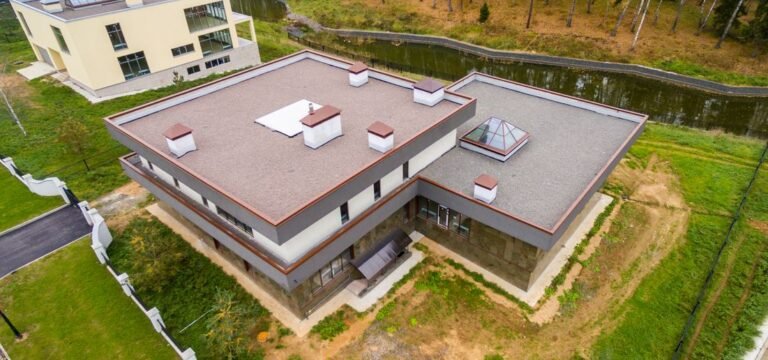
| Flat or low-slope | $5 – $10 | Varies by system | Reflective coatings pay off most under sustained sun |
To estimate your own project, measure the roof with our roof square footage calculator, then compare options with the metal roof cost calculator.
Why a Roofer Familiar With Both Climates Matters
Because San Diego County’s roofing demands genuinely differ from the coast to East County, a contractor who only works coastal properties may over-prioritize salt air resistance while underweighting the heat and wildfire considerations that matter more inland.
Working with El Cajon roofing contractors who specifically understand these inland-specific factors gives you a specification that actually fits your property’s real exposure, rather than a generic San Diego County approach that doesn’t distinguish between coastal and inland conditions.
Given how much a hotter, drier climate like this can shorten a roof’s realistic lifespan, cost is often a bigger factor in the replacement decision here than it would be elsewhere.
Streamline Roofing offers financing options for these projects, which is worth asking about upfront if a full replacement, rather than a repair, turns out to be the right call for your home.
What to Ask When Comparing Contractor Recommendations
A few questions help confirm a contractor understands El Cajon’s specific climate:
- Are they recommending reflective or Class A fire-rated material given the inland heat and wildfire exposure?
- Are they emphasizing attic ventilation adequacy given how much hotter inland attics run?
- Are they applying a coastal-focused recommendation that doesn’t actually account for El Cajon’s drier, hotter conditions?
- Have they confirmed your Title 24 climate zone and whether your address falls in a fire hazard severity zone?
Getting a Roof Specified for Your Actual Inland Conditions
Because El Cajon’s heat, dryness, and wildfire exposure genuinely differ from coastal San Diego’s marine layer and salt air challenges, it’s worth working with a provider who tailors their recommendation to your specific inland location.
Frequently Asked Questions
How is El Cajon’s climate different from coastal San Diego for roofing?
El Cajon sits inland, away from the marine layer, and runs hotter and drier. The average July high is about 86 F compared to about 79 F in the city of San Diego. That means more sustained UV and heat exposure on the roof and far less salt air corrosion than a coastal property faces.
Does salt air matter for roofs in El Cajon?
Much less than on the coast. The corrosion-resistant fastener and flashing specifications that matter near the ocean are not the priority for an inland East County home. Heat, UV, ventilation, and wildfire exposure deserve that attention instead.
What roofing material is best for inland East County heat?
Reflective and UV-stable materials perform best, since reducing absorbed solar radiation helps both material longevity and cooling costs. Concrete and clay tile handle dry heat well and are common across East County, and metal with a reflective finish is another strong option. Quality asphalt shingles still work, but inland heat tends to push their lifespan toward the shorter end of the 15 to 30 year range.
How hot do attics get in El Cajon?
Southern California attics regularly exceed 140 F from late spring through October, and inland valley areas carry the heaviest heat loads in the region. That heat reaches the roof deck from below, stressing shingles from both sides.
How much attic ventilation does a California home need?
The baseline is one square foot of net free ventilating area per 150 square feet of attic floor. That improves to 1:300 when the area is properly split, with at least 40 percent as low intake at the eaves and the rest as high exhaust, along with an adequate vapor retarder. Net free area is smaller than a vent’s measured size because screens and louvers reduce airflow.
Do I need a Class A fire-rated roof in El Cajon?
It depends on your address. California’s Chapter 7A rules apply in State Responsibility Areas and, under AB 3074, in Very High Fire Hazard Severity Zones within Local Responsibility Areas. Where they apply, the roof must achieve a Class A rating as a complete assembly. Even outside those zones, East County’s proximity to brush makes Class A worth considering.
What are ember-resistant vents and do I need them?
They are vents designed to block wind-driven embers, using mesh with openings between 1/16 and 1/8 inch, baffled designs, or intumescent materials. Standard quarter-inch mesh does not meet code in designated fire hazard zones.
Does Title 24 apply when I replace my roof?
Yes. Title 24 cool roof requirements apply to re-roofing as well as new construction. Coastal San Diego and inland East County fall in different California climate zones with different prescriptive values, and the code cycle that governs your job depends on the date the permit application was filed, not when work starts.
How much does a roof replacement cost in San Diego County?
A replacement typically runs $8,000 to $20,000 depending on size, pitch, and material. Asphalt shingles run about $3.50 to $5.50 per square foot installed, metal about $10 to $15, and concrete or clay tile about $10 to $20.
What should I ask a contractor quoting an El Cajon roof?
Ask whether they are specifying reflective or Class A fire-rated material for inland heat and wildfire exposure, whether they have assessed attic ventilation adequacy, whether they have confirmed your Title 24 climate zone and fire hazard zone, and whether their recommendation is coastal boilerplate that ignores El Cajon’s drier, hotter conditions.
Free Roofing Calculators
Sources
- BestPlaces, climate comparison for San Diego and El Cajon (July high temperatures, rainfall, sunny days)
- GreatBuildz, Roof Replacement Cost in San Diego (2026)
- RoofVista, Wildfire Roofing in California (2026): Chapter 7A, AB 3074, Class A assemblies, ember-resistant vents, Zone 0
- RoofVista, California Title 24 Cool Roof Guide (re-roof triggers, permit-date rule)
- Cool Roof Rating Council, California Energy Code (Title 24) resources
- AtticShield, California Attic Ventilation Guide (2026): 1:150 and 1:300 ratios, balanced intake and exhaust, inland attic temperatures
Disclaimer: Costs, code details, and climate figures in this guide are 2026 estimates compiled from published contractor, government, and climate sources for planning purposes only. Title 24 climate zone values, fire hazard zone designations, and permit rules vary by address and jurisdiction. Confirm requirements with the City of El Cajon or your local building department, and get written quotes from licensed, insured California roofing contractors.