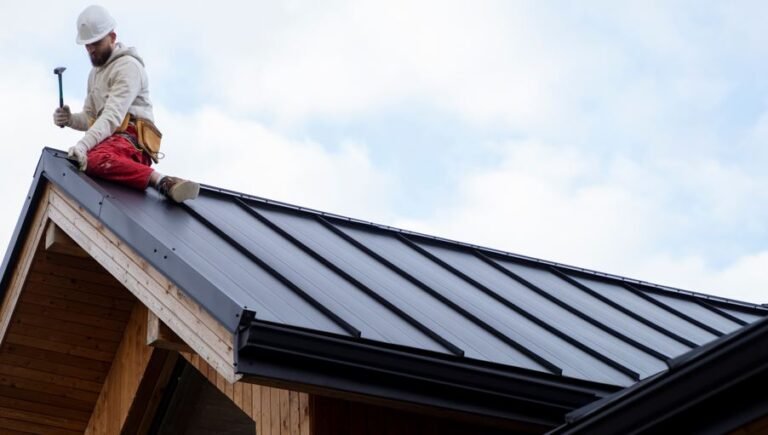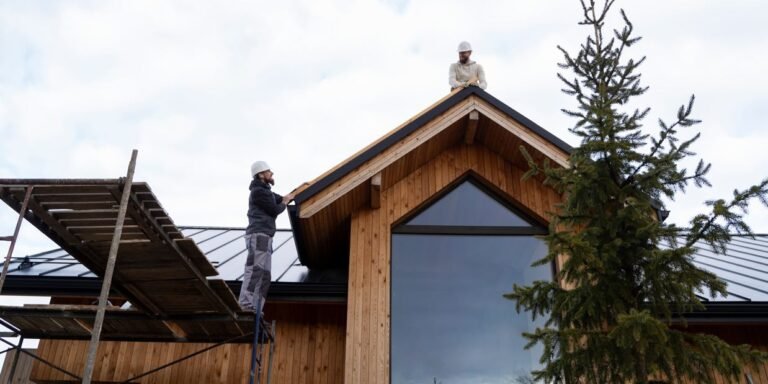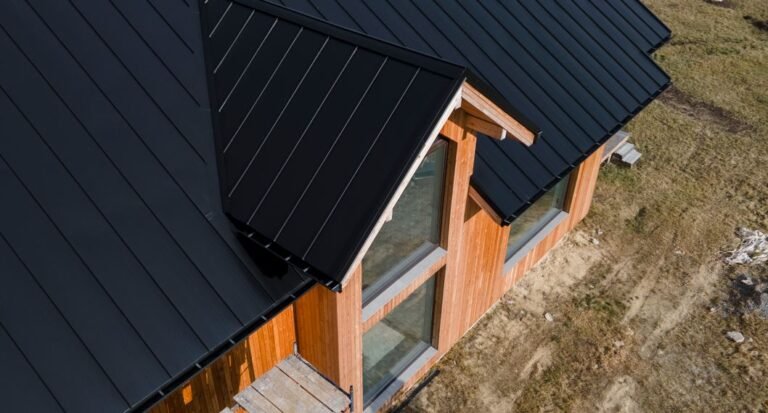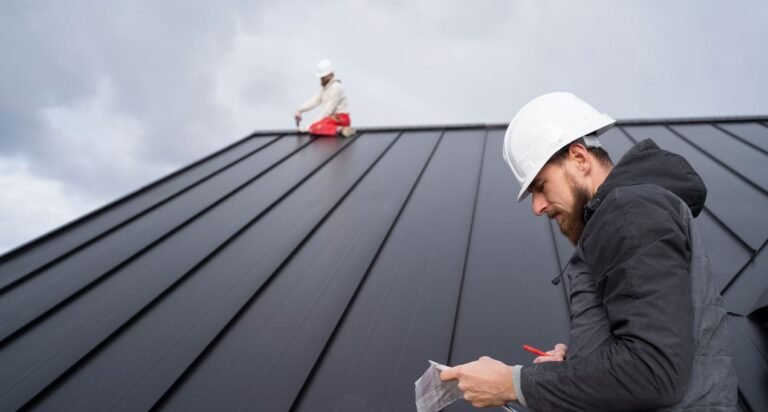
Delaware’s roofing needs change from north to south. In New Castle County, older homes often hide multiple shingle layers and aging board decking. In coastal Sussex County, salt air, 120 to 130 mph design wind speeds, and vacation rental schedules drive material and timing choices. Most Delaware roof replacements cost $10,000 to $20,000.
You can drive the length of Delaware in about two hours, so it is easy to assume one roofing approach works statewide. It does not. A roof that performs well on a 1920s row home in Wilmington can be the wrong spec for a beach house in Rehoboth, and the reverse is just as true.
Quick Regional Comparison
| Factor | New Castle County | Kent County | Coastal Sussex County |
|---|---|---|---|
| Typical housing | Pre-1950 row homes, older suburbs | Mixed suburban and rural | Newer builds, vacation homes |
| Main roof threat | Aging decking, layered shingles, freeze-thaw | Humidity, storms, ventilation | Salt corrosion, wind-driven rain |
| Design wind speed | ~115 mph | ~115 mph | ~120-130 mph near the shore |
| Top material priority | Algae-resistant shingles, synthetic or peel-and-stick underlayment | Algae resistance, balanced ventilation | High wind ratings, corrosion-resistant metals |
| Common surprise cost | Two-layer tear-off, rotted boards | Ventilation upgrades | Fastener and flashing upgrades |
| Scheduling factor | Tight urban access | Few constraints | Rental booking calendars |
Why a Small State Has Different Roofing Needs
Three things separate northern and southern Delaware, and none of them depend on distance.
Housing age. Wilmington’s median home was built in 1946, and roughly 43 percent of its homes predate 1940. Sussex County’s median home was built in 1995, with nearly half of its housing added since 2000. Older roofs carry more layers, more deck damage, and less ventilation.
Salt and wind exposure. Beach communities face salt-laden air and the full force of nor’easters coming off the Atlantic. Inland New Castle County sees storms too, but with far less salt and lower design wind speeds.
How homes are used. In Sussex County, about 29 percent of housing units sit vacant at any given time, largely because so many are seasonal or vacation properties. That changes who makes decisions, how problems get noticed, and when work can happen.
New Castle County: Older Homes, Hidden Problems
Wilmington, Newark, New Castle, and the surrounding suburbs hold much of Delaware’s oldest housing. Row houses and attached homes make up more than half of Wilmington’s housing units. Many of these homes have original wood board decking and several decades of roofing history.
Multiple shingle layers
Previous owners often added new shingles over old ones instead of tearing off. Delaware allows a maximum of two layers of asphalt shingles, so a home that already has two must be stripped to the deck before a new roof goes on. Removing two layers typically adds $1.50 to $2.50 per square foot, or about $2,000 to $5,000 on a 2,000 sq ft roof.
Board decking and re-decking
Original plank decking can have gaps, rot, or old nail damage that modern shingle manufacturers do not accept. A full tear-off lets the crew inspect every board and replace damaged sections or add plywood sheathing where needed. Budget for some re-decking on any pre-1950 home, and ask for a per-sheet price in writing before work starts.
Freeze-thaw and ventilation
Northern Delaware sees regular freeze-thaw cycles and humid summers. Older attics were rarely designed with balanced intake and exhaust ventilation. Poor airflow traps heat and moisture, which shortens shingle life, feeds ice dams, and can rot decking from below.
Flat roofs on row homes
Many Wilmington row homes have low-slope or flat roofs. TPO membrane runs about $5 to $10 per square foot, and a full flat roof replacement on a roughly 1,200 sq ft row home costs about $6,000 to $12,000, depending on insulation work.
Kent County: The Middle Ground
Dover and the rest of Kent County sit between the two extremes. Housing is a mix of mid-century neighborhoods, newer subdivisions, and farm properties. Design wind speeds are similar to New Castle County, around 115 mph for standard homes, and salt exposure is limited outside areas along the Delaware Bay.
For most Kent County homes, the priorities are algae-resistant shingles, solid ventilation, and quality underlayment. Homes near the bay shore should follow coastal practices for fasteners and flashing.
Coastal Sussex County: Salt, Wind, and Storms
Lewes, Rehoboth Beach, Dewey Beach, Bethany Beach, and Fenwick Island face a different set of problems. The housing is newer, so layered shingles and plank decking matter less. The environment is harsher.
Salt air corrosion
Salt accelerates corrosion on nails, drip edge, step flashing, vent boots, and metal panels. Standard galvanized components that last decades inland can rust through much sooner near the ocean. Many roofing manufacturers set special coastal requirements for fasteners and metal finishes, so check the warranty terms for your specific product and distance from salt water.
Nor’easters and hurricane remnants
Coastal storms push rain sideways under shingle edges and test adhesive seal strips. Nor’easters can last for days, and tropical systems moving up the coast bring gusts that lift poorly sealed shingles. Sealed roof decks, proper starter strips, and six-nail patterns matter more here.
Flood and moisture exposure
Redfin’s Flood Factor data estimates that about 37 percent of Sussex County properties face severe flood risk over the next 30 years. Flooding is not a roofing problem directly, but persistent coastal humidity and wind-driven moisture make attic ventilation and underlayment choices critical.
Wind Zones and Code Requirements
Each Delaware county adopts and enforces its own building code. Wind design follows ASCE 7 maps, and the coastal wind zone in Sussex County extends further inland than many homeowners expect.
| Requirement | What It Means for Your Roof |
|---|---|
| County-level codes | New Castle, Kent, and Sussex each run their own building departments, so rules in Wilmington may differ from those in Lewes. |
| Two-layer maximum | No more than two layers of asphalt shingles. A third layer requires a full tear-off. |
| Coastal wind ratings | Shingles must carry a wind rating that meets the mapped speed. Local contractors report that basic 3-tab shingles often fall short in the 110-120+ mph coastal zone. |
| Permits | Most Delaware municipalities require a permit for a full replacement, typically $100 to $1,400. In Sussex County, a permit is generally triggered by sheathing work or a change in roofing material. |
| Energy code | Delaware requires R-30 roof insulation on new installations, and Sussex County moves new construction to the 2024 IECC on January 1, 2027. |
Material Choices by Region
| Component | New Castle County | Coastal Sussex County |
|---|---|---|
| Shingles | Algae-resistant architectural shingles | High wind-rated architectural shingles (up to 130 mph warranties available) |
| Underlayment | Synthetic field underlayment plus ice and water shield at eaves and valleys | Full peel-and-stick or sealed deck for wind-driven rain |
| Fasteners | Standard galvanized nails | Stainless or heavily coated fasteners per manufacturer coastal specs |
| Flashing and drip edge | Aluminum or galvanized steel | Aluminum, copper, or stainless; avoid bare galvanized |
| Metal roofing | Optional long-life upgrade | Popular for wind resistance, but only with coatings rated for salt exposure |
| Ventilation | Balanced ridge and soffit venting, often retrofitted | Wind-rated ridge vents that resist rain intrusion |
| Deck work | Board inspection, partial re-decking common | Usually plywood or OSB in good condition |
The key point is emphasis. Stainless fasteners are money well spent in Rehoboth but rarely necessary in Newark. A two-layer tear-off and board replacement budget is standard for a Wilmington row home but rarely relevant on a 2005 beach build.
Roof Replacement Costs in Delaware
Statewide, most Delaware single-family roof replacements fall between $10,000 and $20,000. A quality architectural shingle replacement averages around $11,000 to $13,500. Where you live changes which extra costs show up on the quote.
| Item | Typical Delaware Cost | Most Common In |
|---|---|---|
| Architectural shingles (per sq ft) | $6 – $13 | Statewide |
| Architectural shingle replacement (typical home) | $11,000 – $13,500 | Statewide |
| Metal roof (2,000 sq ft home) | $16,000 – $32,000 | Coastal Sussex |
| Standing seam metal (standard home) | $22,000 – $30,000 | Coastal Sussex |
| Flat TPO roof, row home (~1,200 sq ft) | $6,000 – $12,000 | Wilmington |
| Tear-off, one layer (per sq ft) | $1.00 – $1.50 | Statewide |
| Tear-off, two layers (per sq ft) | $1.50 – $2.50 | New Castle County |
| Dump fees (residential tear-off) | $400 – $800 | Statewide |
| Permit fees | $100 – $1,400 | Varies by municipality |
| Leak repair | $300 – $3,000 | Statewide |
| Flashing repair or replacement | $200 – $1,000 | Coastal Sussex |
Delaware has no sales tax, which trims material costs compared to neighboring states. To estimate your own project, start with an accurate measurement using our roof square footage calculator, then compare options with the metal roof cost calculator.
Scheduling Around Vacation Rentals
A large share of coastal Sussex County homes operate as short-term or seasonal rentals. That creates planning issues inland homeowners never face:
- Book work in the off-season. Late fall through early spring avoids peak rental weeks, though winter weather can delay installation.
- Block the calendar with a buffer. A typical replacement takes one to three days, but weather and material delays happen. Custom metal panels can take 4 to 6 weeks to arrive.
- Schedule inspections after storms. Absentee owners may not notice lifted shingles until a guest reports a leak. A post-storm check protects both the roof and your reviews.
- Coordinate access. Share lockbox codes, HOA rules, and parking limits with the contractor ahead of time.
Maintenance Schedule by Region
| Task | New Castle County | Coastal Sussex County |
|---|---|---|
| Professional inspection | Every 1-2 years, plus after major storms | Annually, plus after every nor’easter or tropical system |
| Gutter cleaning | Twice a year (heavy tree cover) | Twice a year, check for corrosion |
| Algae and moss check | Annually on shaded slopes | Annually |
| Fastener and flashing check | During inspections | Every inspection, look for rust staining |
| Attic ventilation check | Every 2-3 years, especially older homes | After storms for water intrusion |
| Ice dam watch | Every winter | Rarely needed |
Getting guidance suited to your part of the state
Because roofing needs vary from New Castle County’s older housing stock to Sussex County’s salt air and storm exposure, work with a Delaware Roofing Company that has real experience across the state’s regions. The right contractor specs your roof for where you actually live, not for a generic Delaware average.
When comparing quotes, confirm the contractor holds a Delaware business license and liability insurance, pulls the correct county or municipal permit, and names the specific shingle, underlayment, and fastener products in writing.
Frequently Asked Questions
Why do roofing needs differ across Delaware?
Northern and southern Delaware differ in housing age, salt exposure, wind design speeds, and how homes are used. Wilmington’s median home dates to 1946, while Sussex County’s dates to 1995. Coastal homes face salt corrosion and 120 to 130 mph design wind speeds, while New Castle County homes more often need multi-layer tear-offs and deck repairs.
How much does a new roof cost in Delaware in 2026?
Most Delaware single-family roof replacements cost $10,000 to $20,000. A quality architectural shingle roof averages about $11,000 to $13,500. Metal roofs on a 2,000 sq ft home run about $16,000 to $32,000, and flat TPO roofs on Wilmington row homes run about $6,000 to $12,000.
How many layers of shingles are allowed in Delaware?
Delaware allows a maximum of two layers of asphalt shingles. If a home already has two layers, both must be removed before a new roof is installed. Removing two layers typically adds $1.50 to $2.50 per square foot.
What wind rating do shingles need near the Delaware coast?
Coastal Sussex County areas such as Lewes, Rehoboth Beach, Bethany Beach, and Fenwick Island fall in higher wind zones, with design wind speeds around 120 to 130 mph near the shoreline. Shingles must carry a wind rating that meets the mapped speed for your address. Many architectural shingles carry warranties up to 130 mph when installed to manufacturer specs.
Do I need stainless steel roofing nails at the beach?
Homes close to salt water benefit from stainless or heavily coated fasteners, flashing, and drip edge because salt air speeds up corrosion. Many manufacturers set specific coastal requirements tied to distance from salt water, so check the warranty terms for your roofing product.
Is metal roofing a good choice in Delaware?
Metal roofing is increasingly popular along the Delaware coast for its wind resistance and long lifespan. Near the ocean, choose panels and fasteners with coatings rated for salt exposure. Inland, metal is a long-life upgrade rather than a necessity.
Do I need a permit to replace my roof in Delaware?
Most Delaware municipalities require a permit for a full roof replacement, with fees typically ranging from $100 to $1,400. Each county runs its own building department. In Sussex County, a permit is generally required when the job involves structural sheathing or a change in roofing material.
Why do older Wilmington homes cost more to reroof?
Many older New Castle County homes have two shingle layers and original board decking. Tear-off, disposal, and replacing rotted or gapped boards add cost. Older attics also often need ventilation upgrades to protect the new roof.
When is the best time to replace a roof on a Delaware beach rental?
Late fall through early spring usually works best because it avoids peak rental weeks. Build in a weather buffer, and order custom metal panels early since lead times can run 4 to 6 weeks.
How often should a Delaware roof be inspected?
Inland homes in New Castle and Kent counties should be inspected every one to two years and after major storms. Coastal Sussex County homes should be inspected at least annually and after every nor’easter or tropical storm, with extra attention to fasteners and flashing.
Free Roofing Calculators
Sources
- Point2Homes and NeighborhoodScout, American Community Survey housing age data for Wilmington, Sussex County, and Delaware
- Sussex County, DE, Building Code FAQs and Building Code Office (wind design range, 2024 IECC adoption)
- Universal Steel, Delaware design wind speeds by county (ASCE 7)
- Modern Exterior, Roof Replacement Cost in Delaware (2026) and shingle types guide (layer limit, tear-off, flat roof, metal pricing, coastal wind zone)
- CTA Exteriors, Delaware Roof Replacement Cost 2026 Price Guide
- Resident.com, Delaware roof replacement costs in 2026
- G. Fedale, Delaware roof cost calculator (repair and flashing costs)
- First State Roofing and Exteriors, 2026 roofing cost guide (permit and disposal fees)
- Redfin Flood Factor data, Sussex County
- Permits Guide, Delaware building permits by county
Disclaimer: Costs and code details in this guide are 2026 estimates compiled from published contractor, government, and census sources for planning purposes only. Wind speeds and permit rules vary by address and municipality. Confirm requirements with your county or town building department and get written quotes from licensed, insured Delaware roofing contractors.