A one-day roof replacement is realistic for most standard homes. An experienced crew installs roughly 3 to 4 squares per hour, so a 20 to 25 square roof is a full day’s work for a properly staffed team. What makes it possible is crew size, not skipped steps. Size, complexity, hidden deck damage, and weather are what push a job past one day.
Seeing “one-day roof replacement” advertised sounds almost too good to be true, and it’s a genuinely common point of skepticism among homeowners researching a project. The honest answer is that it’s a real, achievable timeline for a lot of standard residential roofs, but understanding exactly how a crew pulls this off helps you know what to actually expect and what conditions make it possible.
Why This Timeline Is Realistic for Many Homes
A one-day replacement isn’t a shortcut or a sign of rushed, lower-quality work. It’s achieved through proper crew sizing and preparation, not by skipping steps.
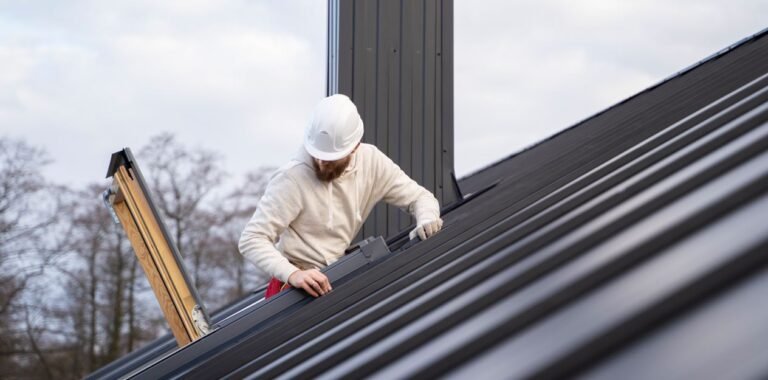
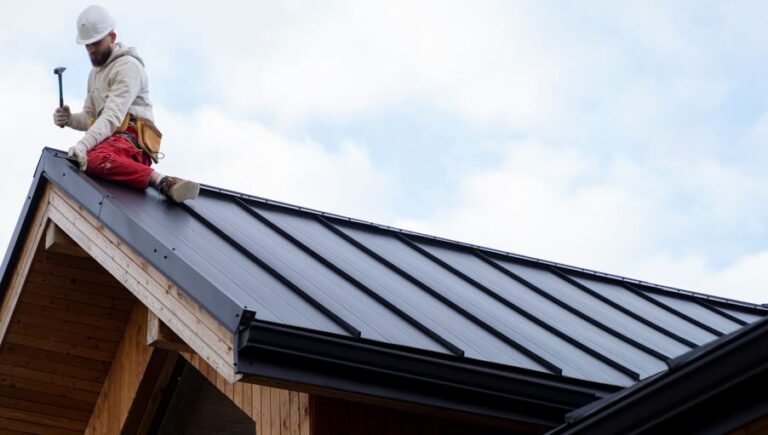
A large, well-coordinated crew working a standard-size residential roof can complete tear-off, deck inspection and any necessary repair, underlayment installation, and the new roofing material’s installation all within a single day, provided the roof’s size and complexity fall within a manageable range.
The production math backs this up. An experienced crew using pneumatic nailers installs roughly 3 to 4 squares, or 300 to 400 square feet, per hour on asphalt shingles. A typical 1,700 to 2,000 square foot home has somewhere around 20 to 25 squares of roof once pitch is factored in, which is a full but achievable day for a crew sized and staged for it.
What Actually Has to Happen in That Single Day
Tear-off of the existing roofing material. The old shingles or roofing material come off down to the deck, exposing the sheathing underneath for inspection.
Deck inspection and any necessary repair. Any damaged or rotted decking gets identified and replaced before new material goes down. This step can’t be rushed regardless of the overall timeline, since installing over compromised decking undermines the entire project.
Underlayment and, where relevant, ice-and-water shield installation. A secondary water barrier goes down across the deck before the visible roofing material is installed.
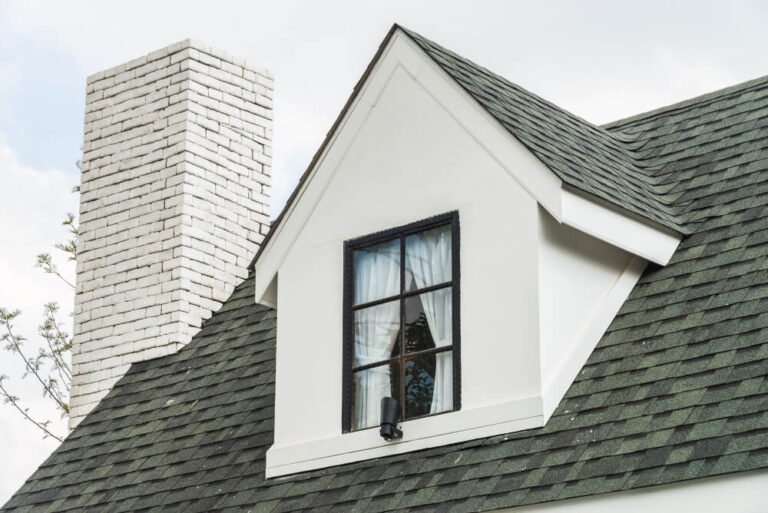
Flashing installation around every penetration. Chimneys, vents, skylights, and valleys all need properly installed flashing, which is detailed work that a large crew still completes carefully within the day’s timeline.
Installation of the new roofing material itself, followed by ridge caps and any remaining trim details.
Full cleanup, including a magnetic sweep for stray nails and removal of all old material and debris from the property.
| Phase | Rough Share of the Day | What Can Slow It Down |
|---|---|---|
| Setup and protection | Early morning | Tight site access, landscaping, limited staging room |
| Tear-off | Morning | A second shingle layer roughly doubles tear-off time |
| Deck inspection and repair | Midday, as tear-off clears | Extensive rot can add a full day |
| Underlayment and ice barrier | Midday | Wet deck after overnight rain |
| Flashing and penetrations | Throughout install | Chimneys, skylights, and multiple valleys |
| Shingle installation | Midday through afternoon | Steep pitch above 8/12 adds 25 to 50 percent |
| Ridge caps and trim | Late afternoon | Complex ridge and hip layouts |
| Cleanup and magnet sweep | End of day | Large debris volume from multiple layers |
Why Crew Size Is What Actually Makes This Possible
The real difference between a one-day and a multi-day replacement usually comes down to how many workers are on-site simultaneously, not how much total labor the job requires.
A smaller crew working a large roof might take the same total number of labor-hours as a large crew working that same roof, just spread across two or three days instead of compressed into one.
This is worth understanding when comparing quotes, since a genuinely large, well-staffed crew completing quality work in a day isn’t cutting corners; it’s simply applying more simultaneous labor to the same scope.
What Can Affect Whether a Roof Is Actually a Good Candidate for This Timeline
Not every roof is a realistic one-day project. Larger homes, roofs with unusually complex rooflines involving multiple valleys and dormers, or roofs where deck damage turns out to be more extensive than expected during tear-off can all extend the realistic timeline beyond a single day.
A contractor who’s upfront about this possibility before starting, rather than guaranteeing one day unconditionally regardless of what tear-off actually reveals, is giving you a more honest picture from the start.
| Factor | Good One-Day Candidate | Likely Needs More Time |
|---|---|---|
| Home size | Under about 3,000 sq ft of living space | 3,000+ sq ft, which commonly runs 3 to 5 days |
| Roofline | Simple gable or hip with few penetrations | Multiple dormers, each adding 2 to 4 hours; several valleys |
| Pitch | Walkable slope | Above 8/12, which adds 25 to 50 percent to the timeline |
| Existing layers | Single layer | Two layers, which roughly doubles tear-off |
| Deck condition | Sound sheathing, a few sheets at most | Extensive rot, which can add a full day |
| Material | Asphalt shingles | Metal at 3 to 5 days, tile at 1 to 2 weeks, slate longer |
Why Weather Timing Still Matters Even for a Fast Timeline
A one-day replacement still needs a full day of workable weather to actually happen as planned.
A contractor experienced with this approach plans around forecasts carefully, since starting a tear-off without confidence in completing the full installation before weather moves in creates real risk to the exposed deck. Rain that interrupts a job does not just cost the hours lost, since a wet deck has to dry before work resumes, which commonly adds a day or two.
The Best Months for This in Connecticut
Asphalt shingles seal best between roughly 45 and 85 degrees F, and the adhesive strips need warmth to bond properly. That puts late spring and early fall at the center of the window in Connecticut.
| Season | Strengths | Trade-Offs |
|---|---|---|
| Late spring (May to early June) | Moderate temperatures, good contractor availability | Rain delays; post-winter damage can expand scope |
| Summer | Long daylight hours and dry stretches | Peak demand in July and August limits scheduling; heat can soften shingles |
| Early fall (September to October) | Cool, stable weather with fewer rainstorms than spring | Books up quickly as homeowners prepare for winter |
| Winter | Availability | Brittle shingles and poor adhesive bonding; generally reserved for emergencies |
Long daylight hours matter more for a single-day job than for a multi-day one, which is another reason late spring through early fall suits this approach.
Why This Timeline Benefits You Beyond Just Convenience
Beyond the obvious convenience of less disruption, a compressed timeline reduces the window during which your home’s interior is exposed to potential weather risk during the actual tear-off and installation process, which is a genuine practical benefit beyond simply finishing faster.
This kind of large-crew, single-day approach is exactly what roofer providers use to back their installs with strong warranties, since a fast, properly staffed timeline and quality workmanship aren’t actually in conflict with each other.
What a Replacement Costs in Connecticut
Timeline and price are separate questions. A one-day job is not a discount service, and it should not carry a premium either. The same scope costs about the same whether it takes one day or three.
| Item | Typical Connecticut Cost |
|---|---|
| Architectural asphalt roof, 1,700 sq ft home | $8,500 – $16,500 |
| Installed cost per square foot | $5.94 – $8.31 |
| Tear-off, single layer | $1.00 – $2.00 per sq ft |
| Tear-off, two layers | $1.50 – $3.00 per sq ft |
| Deck replacement, plywood | $2.50 – $4.50 per sq ft, often 1 to 3 sheets |
| Permit | $50 – $250, varies by municipality |
Connecticut code allows a maximum of two roofing layers, and contractors must hold a Home Improvement Contractor registration along with liability and workers’ compensation coverage. A final inspection by the local building official is part of the process. To estimate your own project, measure with our roof square footage calculator.
Getting an Honest Assessment of Whether Your Roof Qualifies
Because the one-day timeline depends on your specific roof’s size and complexity, it’s worth getting a direct, honest assessment rather than assuming every quote promising this timeline applies equally to every home.
The roofing services in Southington provider offers the homeowners of Southington, CT genuine one-day installs backed by strong warranties, and can tell you plainly whether your specific roof is a realistic fit for that timeline or whether your home’s particular layout calls for planning across a couple of days instead.
Frequently Asked Questions
Is a one-day roof replacement actually possible?
Yes, for many standard residential roofs. An experienced crew installs roughly 3 to 4 squares per hour on asphalt shingles, so a typical home’s roof is a full but achievable day for a properly sized crew. Industry timelines commonly put a standard asphalt replacement at one to two days.
Does a one-day roof mean corners were cut?
Not by itself. The difference between one day and three is usually how many people are on the roof at once, not how much work gets done. The same tear-off, deck inspection, underlayment, flashing, installation, and cleanup all have to happen either way.
What has to happen during a one-day replacement?
Tear-off down to the deck, inspection and repair of any damaged sheathing, underlayment and ice-and-water shield where relevant, flashing at every penetration, installation of the new roofing material, ridge caps and trim, and a full cleanup including a magnetic nail sweep.
What makes a roof a poor candidate for one day?
Homes over roughly 3,000 square feet, pitches above 8/12 that add 25 to 50 percent to the timeline, multiple dormers that add 2 to 4 hours each, two existing shingle layers that roughly double tear-off, extensive deck rot that can add a full day, and materials other than asphalt.
How long does a metal or tile roof take instead?
Much longer. Metal typically runs 3 to 5 days because of seam alignment and custom panel cutting, tile commonly takes 1 to 2 weeks since each piece is placed individually, and natural slate can take 1 to 3 weeks.
What happens if it rains partway through?
Work stops and the exposed deck has to dry before installation resumes, which commonly adds a day or two. This is why a contractor should only start a tear-off with confidence in the full day’s forecast.
What is the best time of year for a roof replacement in Connecticut?
Late spring through early fall. Asphalt shingles seal best between roughly 45 and 85 degrees F. Early fall offers cool, stable weather with fewer rainstorms than spring, while winter is generally avoided because shingles get brittle and adhesive bonding suffers.
How much does a roof replacement cost in Connecticut?
An architectural asphalt roof on a typical 1,700 square foot home commonly runs $8,500 to $16,500, or about $5.94 to $8.31 per square foot installed. Tear-off adds $1.00 to $2.00 per square foot for a single layer, and permits run $50 to $250 depending on the municipality.
Does a one-day job cost more or less?
It should cost about the same. The scope of work is identical, and the difference is how many workers are applied at once. Compare quotes on scope, materials, and warranty rather than on the number of days.
How many layers of shingles are allowed in Connecticut?
Connecticut code allows a maximum of two roofing layers. A roof that already has two must be stripped to the deck, which roughly doubles tear-off time and adds cost.
Free Roofing Calculators
Sources
- RoofVista, Roof Replacement Timeline Guide (installation rate per hour, duration by size and material, complexity and temperature factors)
- RoofVista, Roof Replacement Cost in Connecticut 2026 Pricing Guide (cost ranges, tear-off, decking, permits, licensing)
- Artisan Roofing CT, Best Time to Replace a Roof in CT (seasonal comparison, sealing temperature range)
Disclaimer: Timelines and costs in this guide are 2026 estimates compiled from published contractor and industry sources for planning purposes only. Actual duration depends on roof size, pitch, complexity, deck condition, crew size, and weather. Permit rules and fees vary by municipality. Get written quotes from licensed, insured Connecticut roofing contractors.